Gaming Consoles Evolution
Interactive entertainment journey from Pong paddles to virtual reality immersion and cloud gaming. Explore the technological breakthroughs that transformed gaming from simple pixels to photorealistic experiences.
Gaming Console Brand Racing Chart
Watch gaming console manufacturers compete and evolve over time through this dynamic racing bar chart visualization. See how Nintendo, Sony, Microsoft, Sega, and other brands rose and fell in market dominance from the 1970s through present day.
Interactive Controls: Use the play button to animate through gaming generations, or drag the timeline to explore specific console eras. Click on brand names to highlight their market journey through the console wars.
Filter by Generation
Gaming Console Artifacts
10 artifacts found
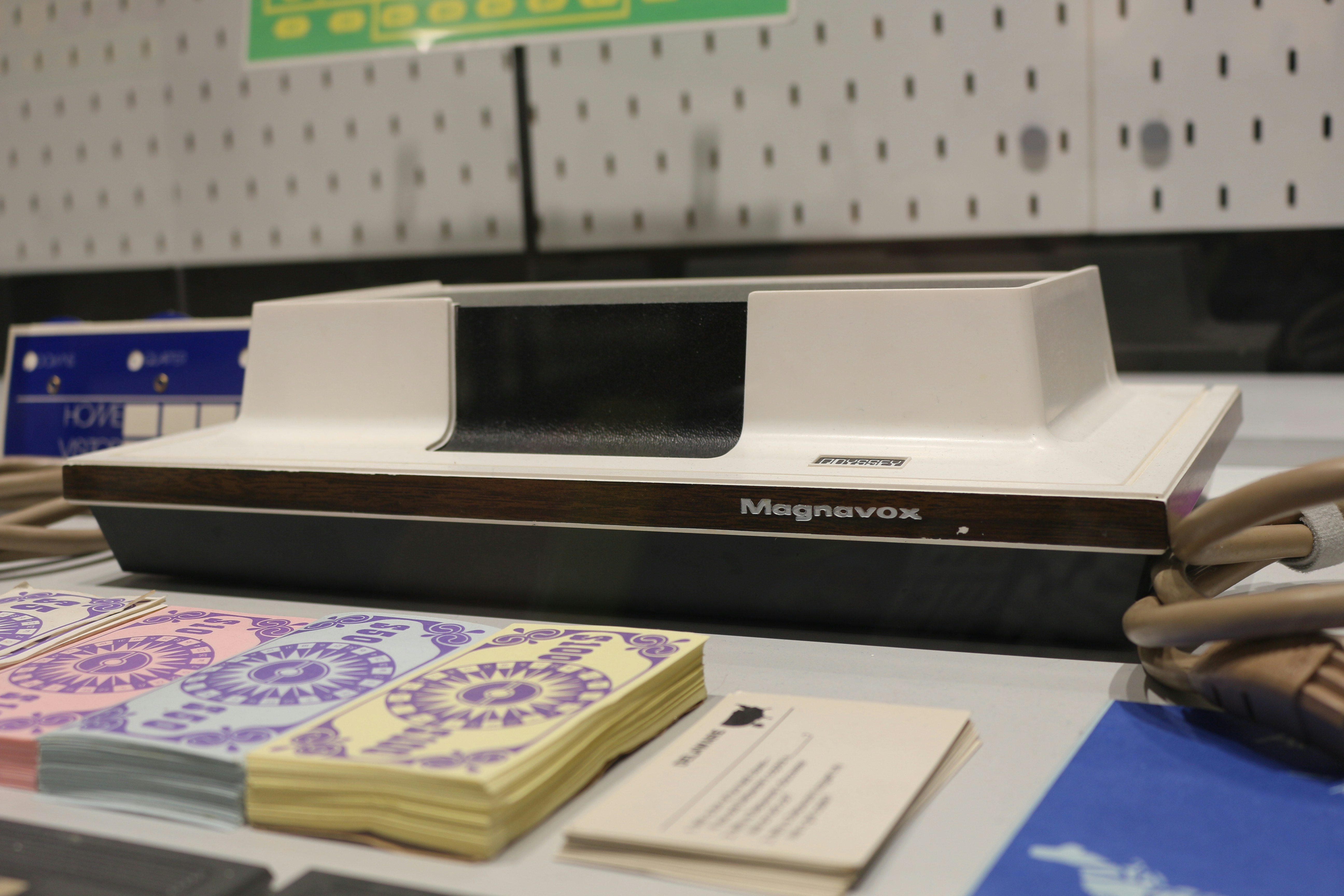
Magnavox Odyssey
MagnavoxThe first commercial home video game console, designed by Ralph H. Baer. Used removable cartridges and overlay cards for TV screens.
Key Specifications
- No sound
- No score keeping
- Overlay cards for TV
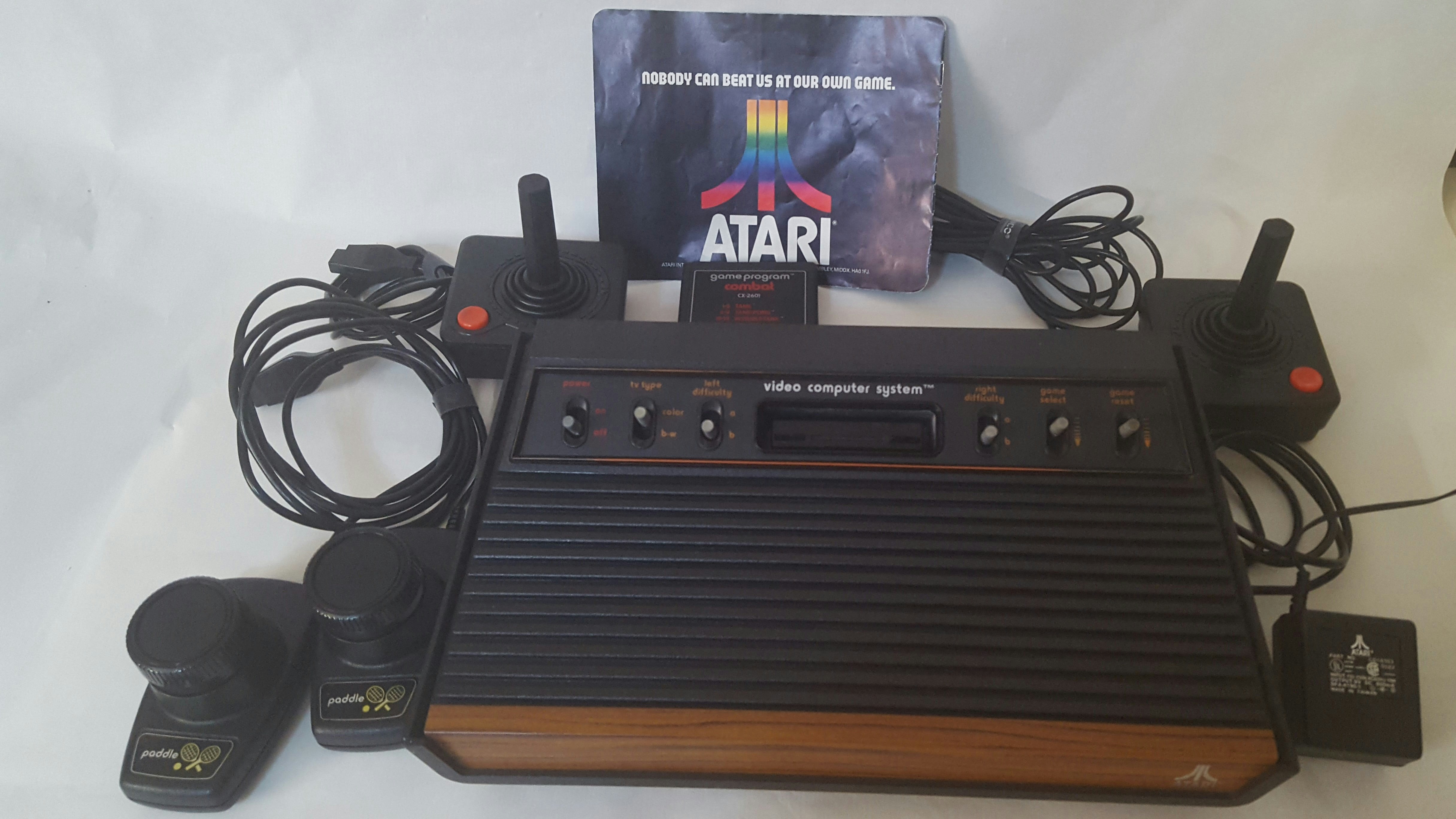
Atari 2600
AtariPopularized the use of microprocessor-based hardware and ROM cartridges. Became synonymous with video gaming in the late 1970s and early 1980s.
Key Specifications
- 1.19 MHz processor
- 128 bytes RAM
- Cartridge-based games
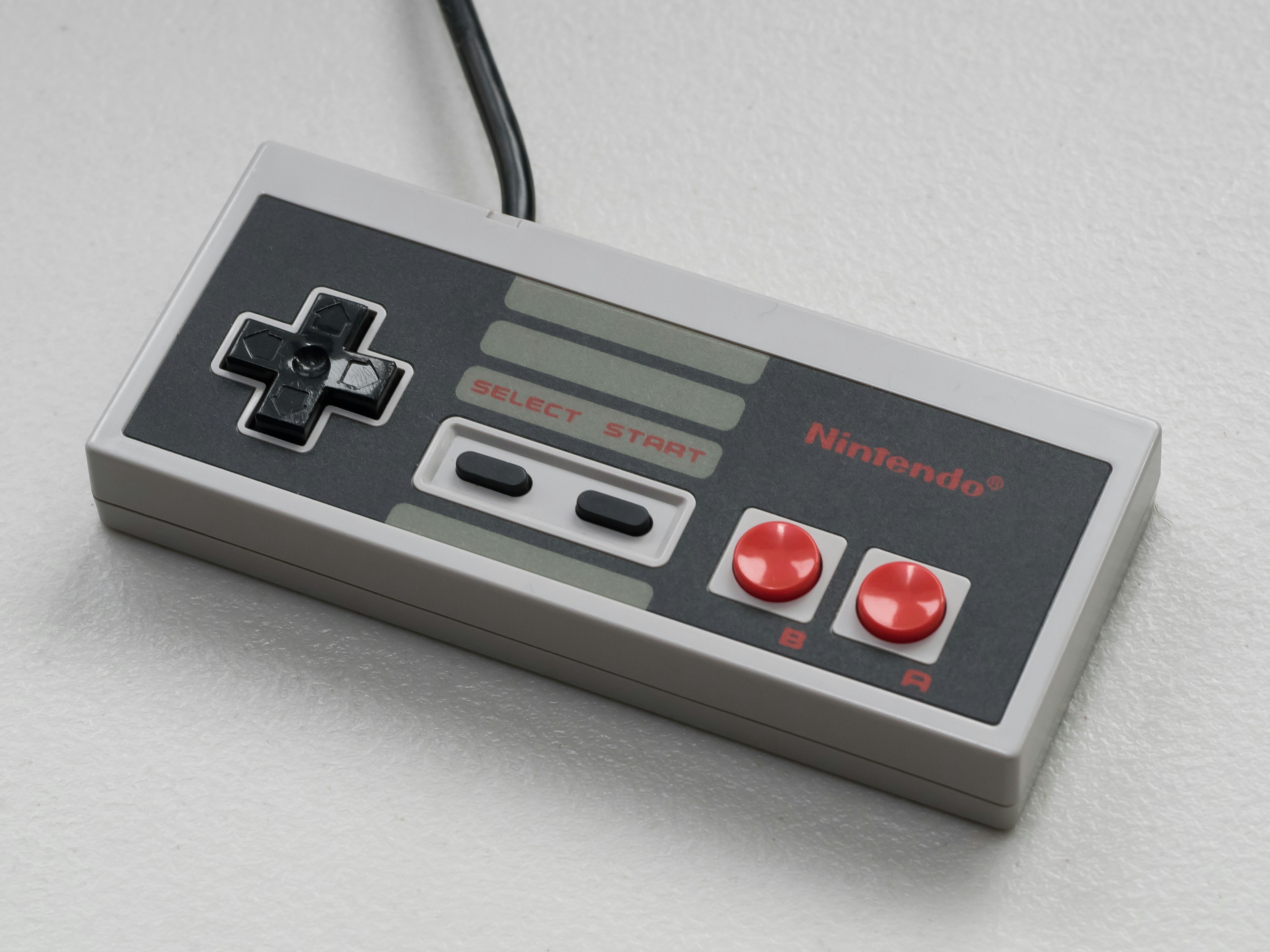
Nintendo Entertainment System
NintendoRevitalized the video game industry after the 1983 crash. Introduced iconic franchises like Super Mario Bros. and The Legend of Zelda.
Key Specifications
- 8-bit processor
- 2 KB RAM
- D-pad controller
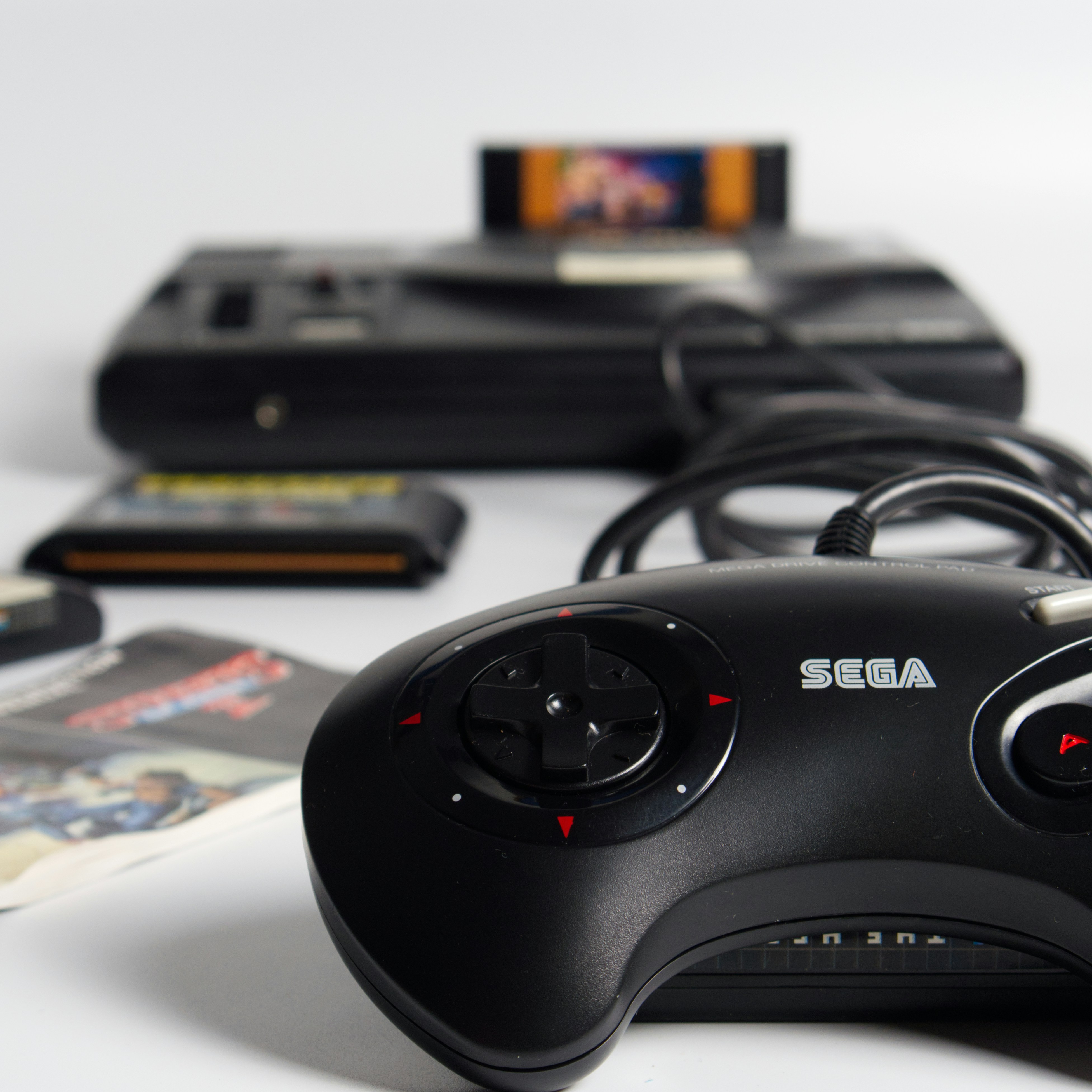
Sega Genesis
SegaFirst 16-bit console to achieve significant market presence. Known for "blast processing" marketing and Sonic the Hedgehog franchise.
Key Specifications
- 16-bit processor
- 64 KB RAM
- Stereo sound
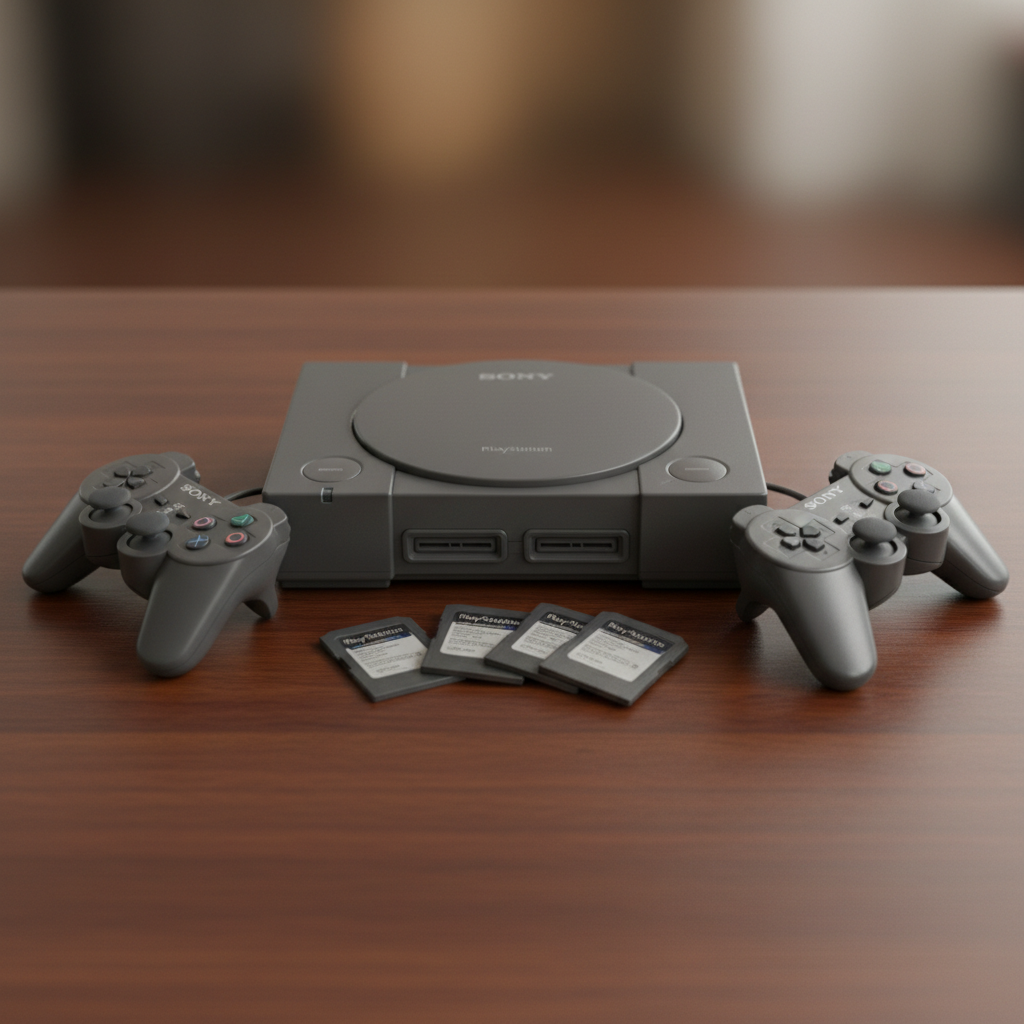
Sony PlayStation
SonyFirst console to ship 100 million units. Brought CD-ROM gaming mainstream and established Sony as a gaming powerhouse.
Key Specifications
- 32-bit RISC processor
- CD-ROM drive
- Analog controllers
Xbox 360
MicrosoftBrought online gaming to mainstream with Xbox Live. Introduced achievements system and HD gaming to consoles.
Key Specifications
- 3.2 GHz CPU
- 512 MB RAM
- Xbox Live integration
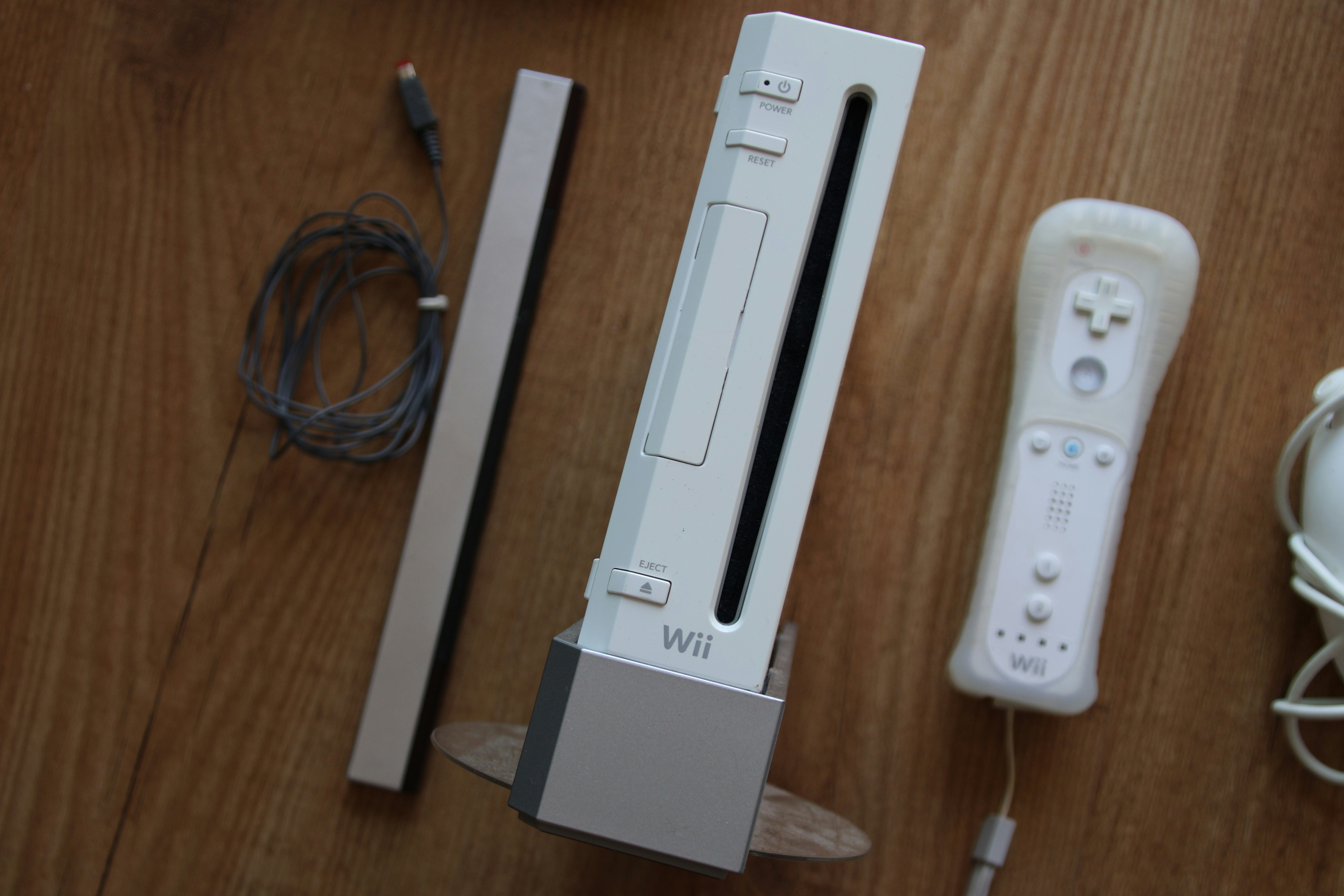
Nintendo Wii
NintendoRevolutionary motion control system that appealed to casual gamers. Best-selling console of its generation with 101 million units sold.
Key Specifications
- Motion controls
- Virtual Console
- Backward compatible
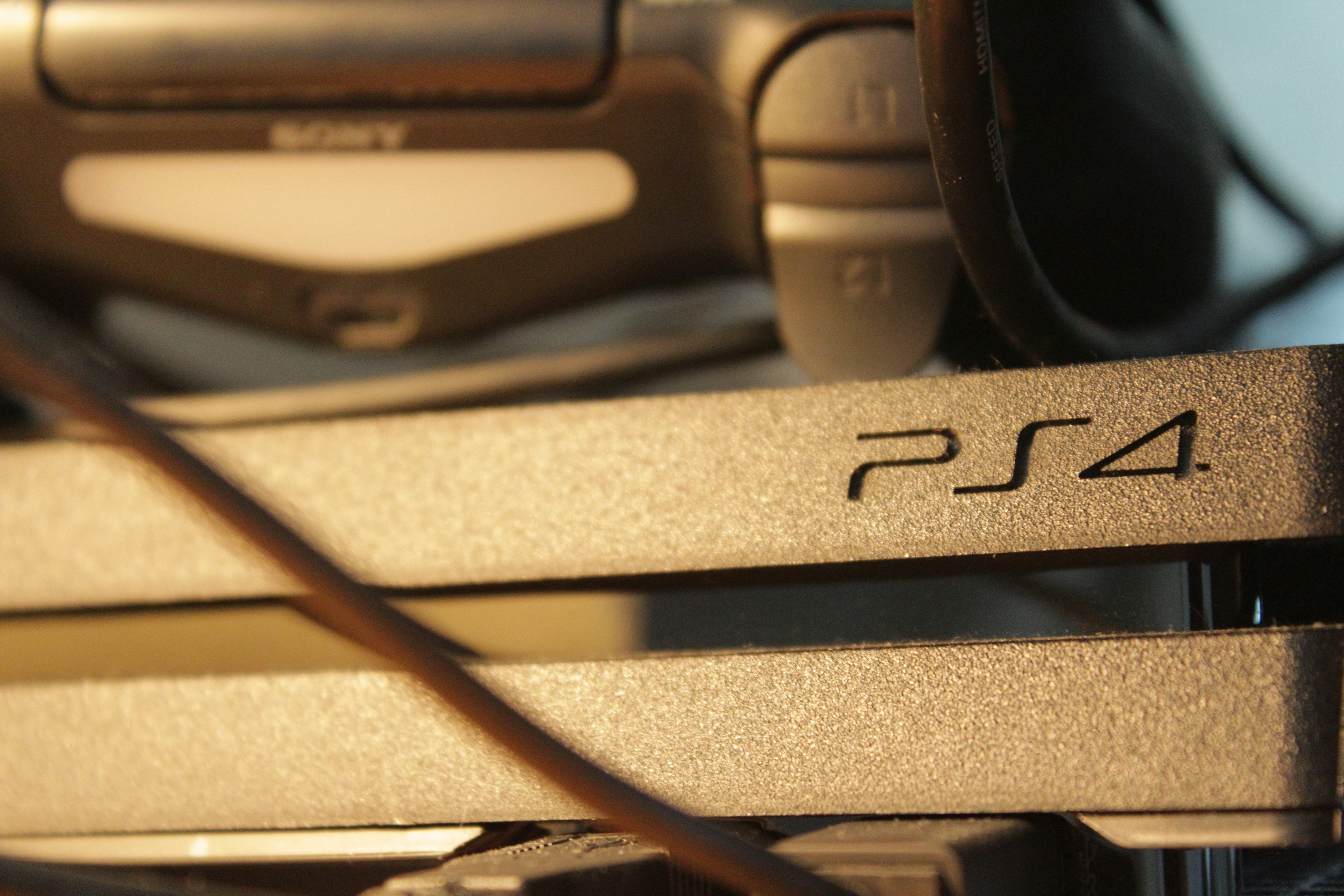
PlayStation 4
SonyDominated eighth generation with 117 million units sold. Focused on indie games and social features with share button.
Key Specifications
- 8-core AMD CPU
- 8 GB GDDR5 RAM
- Share button
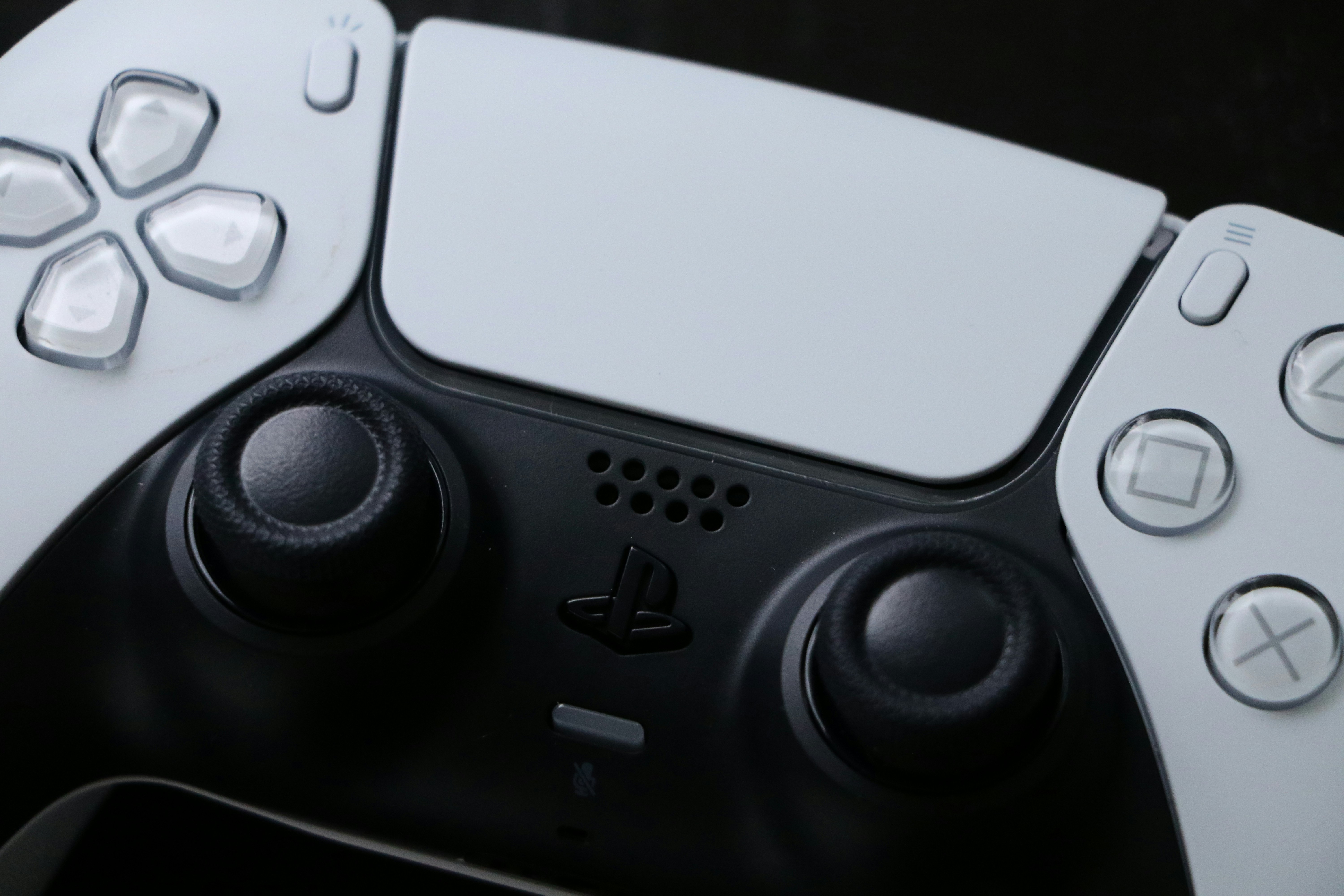
PlayStation 5
SonyNext-gen console featuring ultra-fast SSD, ray tracing, and haptic feedback. Supports 4K gaming at 120fps.
Key Specifications
- Custom 8-core Zen 2 CPU
- Ultra-high speed SSD
- Ray tracing
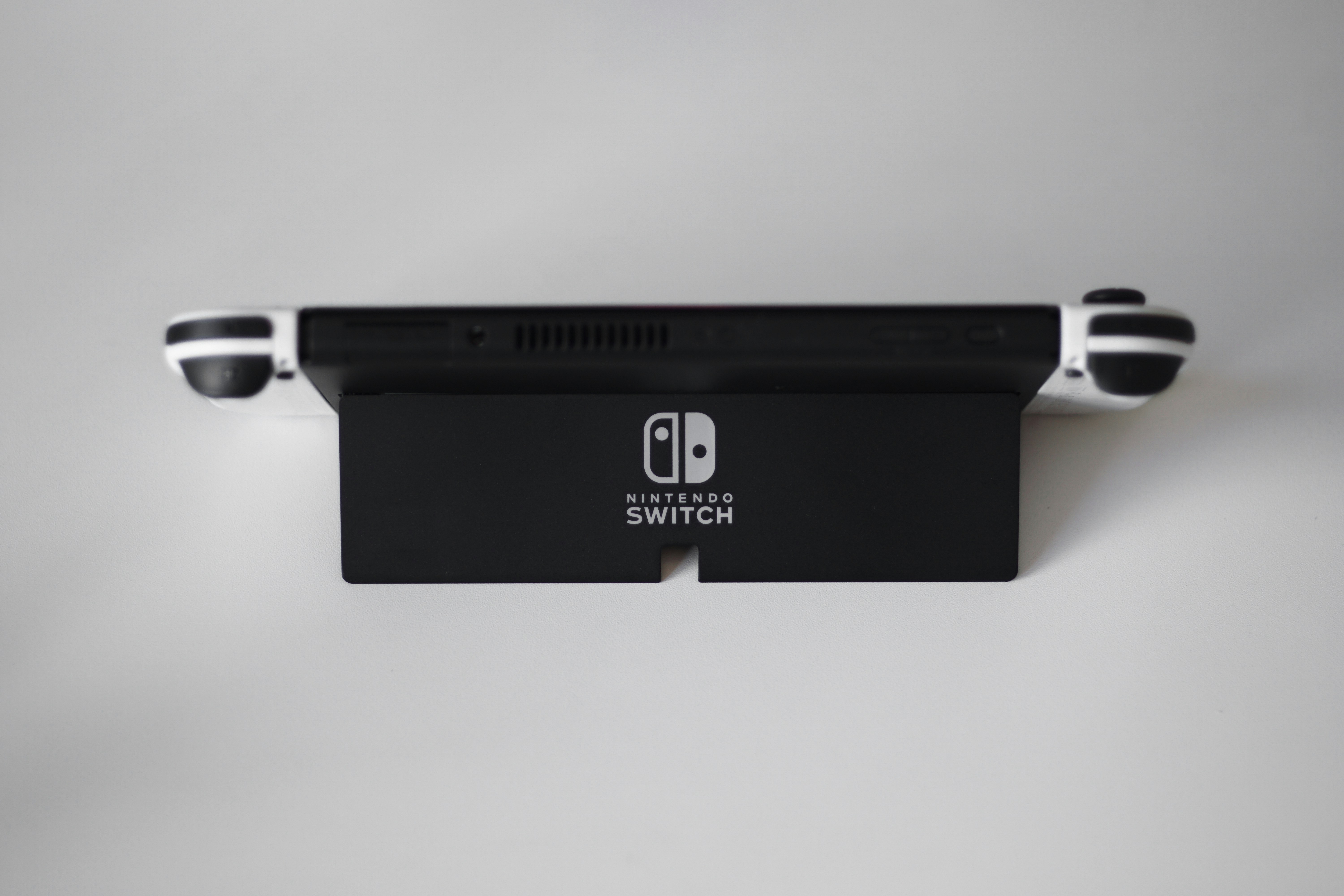
Nintendo Switch
NintendoHybrid home/portable console that can be docked or used handheld. Massive success with 140+ million units sold.
Key Specifications
- Hybrid design
- Detachable controllers
- Touchscreen
Evolution Timeline
First Generation
Pong and early home console experiments
Console Wars Begin
Atari dominance and the 1983 crash recovery
3D Revolution
Sony PlayStation brings CD-ROM and 3D gaming
Online Gaming Era
Xbox Live and network play go mainstream
HD & Motion Controls
Nintendo Wii innovation and HD gaming standard
Next-Gen & Cloud
Ray tracing, 4K gaming, and cloud streaming