Mobile Phones Evolution
From bulky analog bricks to pocket-sized supercomputers, discover the revolutionary journey of mobile phones. Explore how these devices evolved from simple communication tools to the powerful smartphones that have become an essential part of modern life.
Filter by Era
Brand Racing Chart
Watch how mobile phone brands competed and evolved over time through this dynamic racing bar chart visualization. See market leaders rise and fall in the fierce competition of mobile technology.
Interactive Controls: Use the play button to animate through time periods, or drag the timeline to explore specific eras. Click on brand names to highlight their journey through mobile phone history.
Popular Smartphones in 2025 — Key Features
Compare the latest flagship smartphones from leading manufacturers. This comprehensive table highlights the cutting-edge features, specifications, and innovations that define the mobile technology landscape in 2025.
| Brand & Model | Display | Cameras (Main/Zoom) | Processor & Performance | Battery & Charging | Special Features |
|---|---|---|---|---|---|
Apple iPhone 16 Pro Max | 6.9" OLED, 120Hz ProMotion | Triple 48MP (main, ultrawide, telephoto) | A19 Bionic, 5G, AI coprocessor | 4,800 mAh, 30W fast charge | ProRAW/ProRes, LiDAR, spatial video |
Apple iPhone 16e | 6.1" OLED, 90Hz | Dual 48MP (main + ultrawide) | A18 chip, 5G | 4,000 mAh, 25W | Affordable entry into Apple ecosystem |
Samsung Galaxy S25 Ultra | 6.8" AMOLED, 120Hz | Quad: 200MP main, 50MP periscope (5x), 10MP telephoto, 50MP ultrawide | Snapdragon 8 Gen 4 / Exynos 2500 | 5,500 mAh, 65W fast charge | S‑Pen, advanced AI stabilization |
Samsung Galaxy Z Fold 7 | 7.8" foldable AMOLED | Triple 50MP system | Snapdragon 8 Gen 4 | 5,000 mAh, 45W | Foldable design, multitasking |
Google Pixel 9 Pro | 6.7" OLED, 120Hz | Triple 50MP (main, ultrawide, telephoto) | Google Tensor G4 | 4,700 mAh, 30W | AI photo editing, Magic Eraser, satellite SOS |
Xiaomi 15 Pro | 6.8" AMOLED, 120Hz | Triple 50MP (main, ultrawide, telephoto) | Snapdragon 8 Gen 4 | 5,200 mAh, 120W fast charge | Affordable flagship, strong value |
Oppo Find X7 Pro | 6.8" AMOLED, 120Hz | Quad 50MP Hasselblad‑tuned | Snapdragon 8 Gen 4 | 5,000 mAh, 100W | Hasselblad color science, premium design |
Huawei P70 Pro | 6.7" OLED, 120Hz | Quad 50MP Leica‑tuned | Kirin 9100 | 5,000 mAh, 88W | Leica optics, HarmonyOS ecosystem |
OnePlus 13 Pro | 6.8" AMOLED, 120Hz | Triple 50MP Hasselblad‑tuned | Snapdragon 8 Gen 4 | 5,000 mAh, 100W | OxygenOS, Hasselblad partnership |
Honor Magic 7 Pro | 6.8" AMOLED, 120Hz | Quad 50MP system | Snapdragon 8 Gen 4 | 5,000 mAh, 80W | AI‑driven UI, strong China/Europe presence |
Key Market Insights
Market Dominance
Apple and Samsung continue to dominate global smartphone sales in 2025, maintaining their positions as industry leaders through innovation and strong ecosystem integration.
AI-Powered Features
AI capabilities including advanced photo editing, computational photography, image stabilization, and satellite SOS are now standard features across flagship smartphones.
Charging Speed Wars
Charging speeds are a major differentiator: Chinese manufacturers like Xiaomi (120W) and Oppo (100W) lead the pack, while Apple maintains a more conservative 30W approach focused on battery longevity.
Camera Partnerships
Strategic camera partnerships with legendary brands like Hasselblad (Oppo, OnePlus) and Leica (Huawei) continue to be major selling points, offering professional-grade color science and optics.
Foldable Evolution
Foldable smartphones like the Samsung Galaxy Z Fold 7 are now mainstream consumer products, though they remain a premium niche compared to traditional slab-style phones. The technology has matured significantly with improved durability and software optimization.
Smartphone Leaders of 2025: Monthly Sales Race
Watch now flagship smartphones compete month by month in 2025
Apple and Samsung dominate globally, but challengers like Xiaomi and Google hold steady niches.
Mobile Phone Artifacts
10 artifacts found
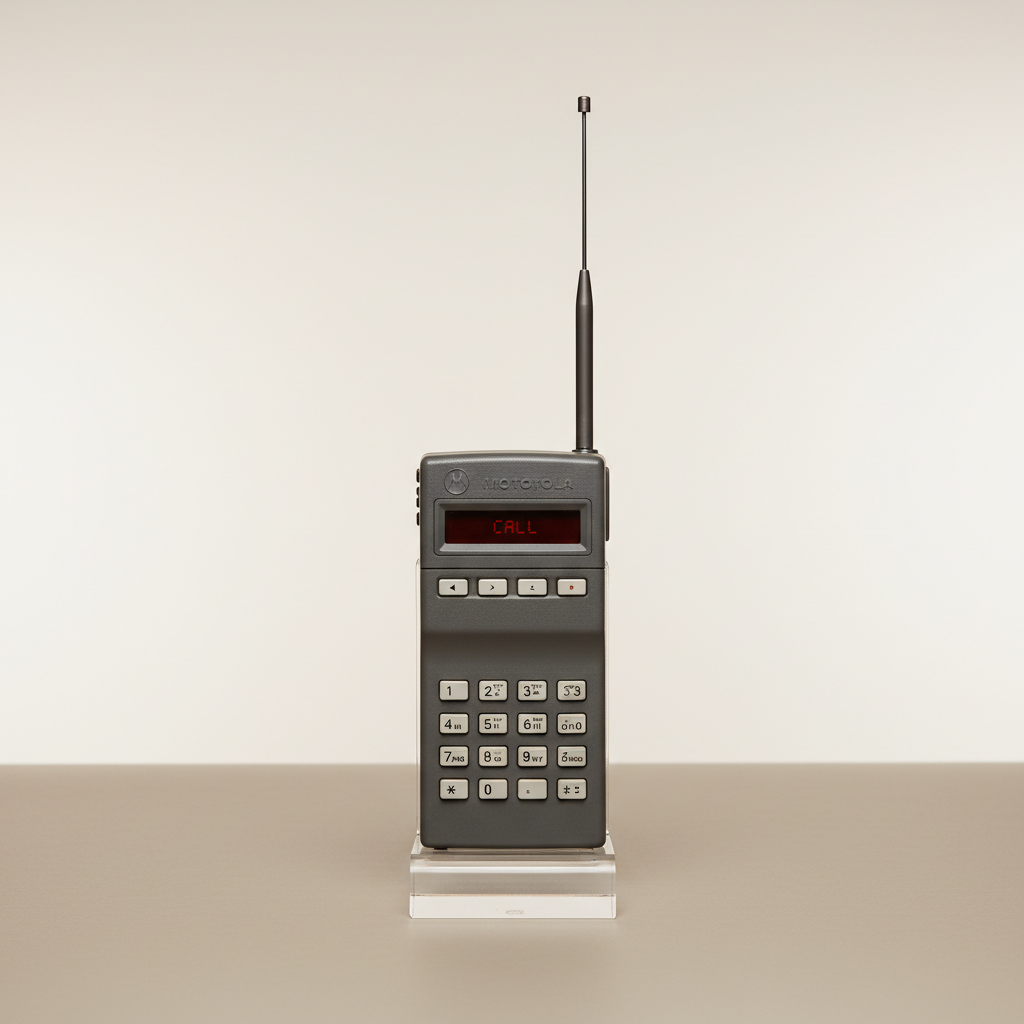
Motorola DynaTAC 8000X
MotorolaThe first commercially available handheld cellular phone. Nicknamed "The Brick" due to its size and weight, it revolutionized personal communication.
Key Specifications
- 30 minutes talk time
- 10 hours charge time
- 2 pounds weight
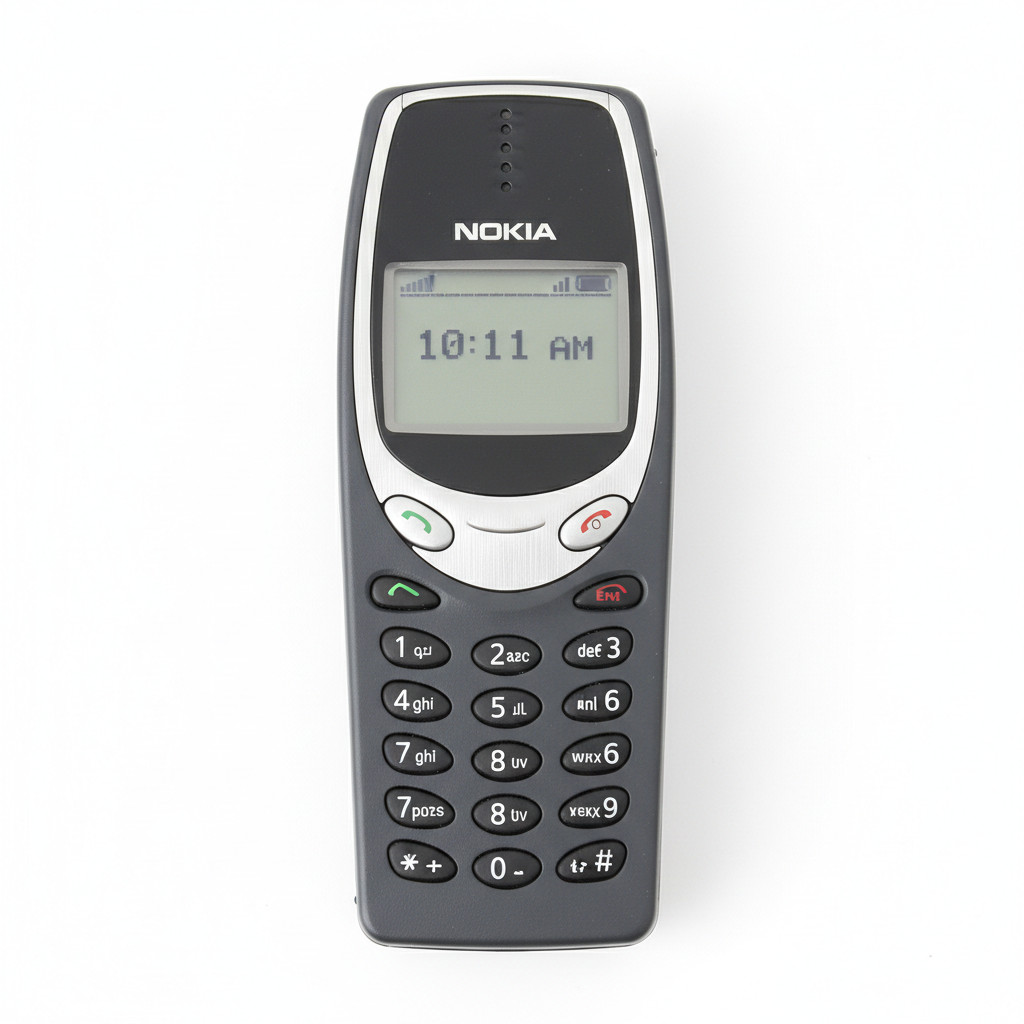
Nokia 1011
NokiaFirst mass-market GSM phone that made digital mobile communication accessible to consumers worldwide.
Key Specifications
- GSM 900 MHz
- Monochrome LCD
- 99 phonebook entries
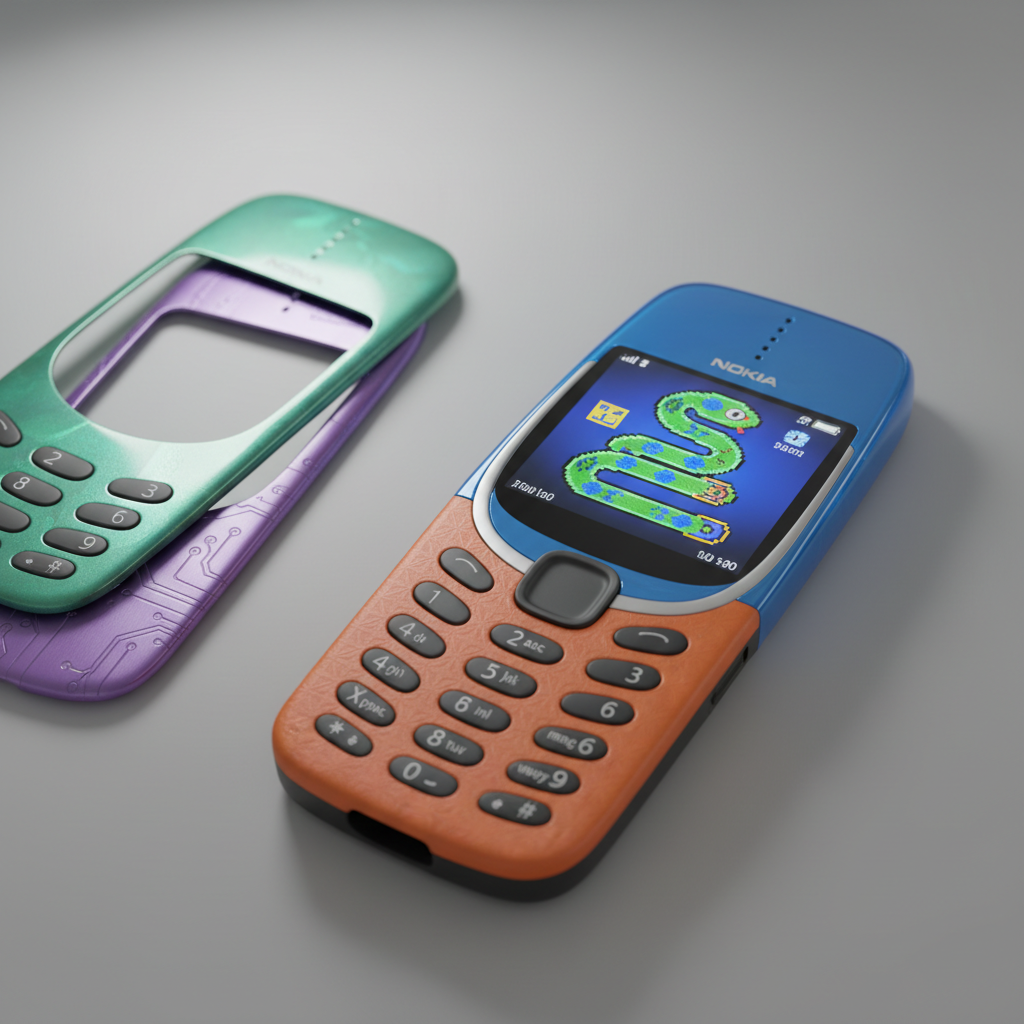
Nokia 3310
NokiaLegendary feature phone known for exceptional durability and battery life. Sold over 126 million units worldwide.
Key Specifications
- 260 hours standby
- SMS messaging
- Snake II game
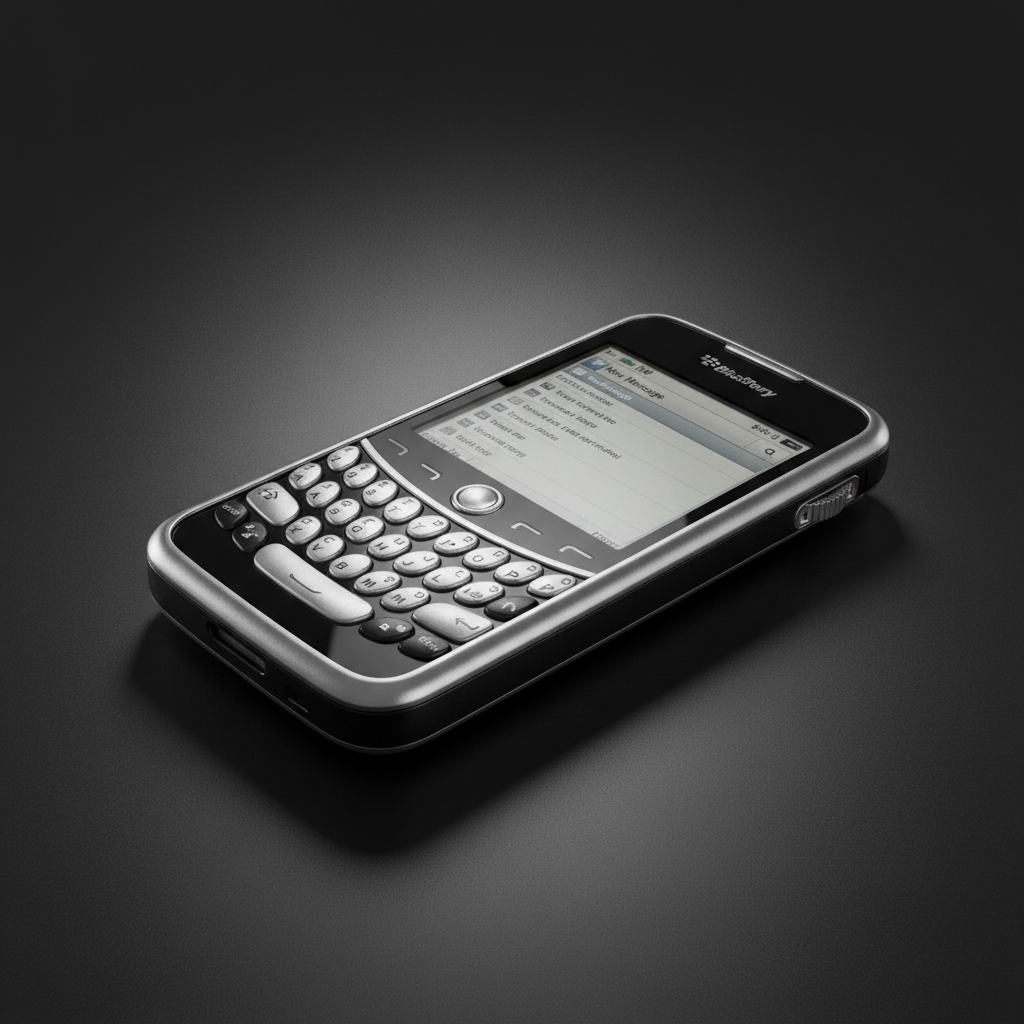
BlackBerry 6210
BlackBerryPioneered push email and became the gold standard for business communication with its QWERTY keyboard.
Key Specifications
- Full QWERTY keyboard
- Push email
- BBM messaging
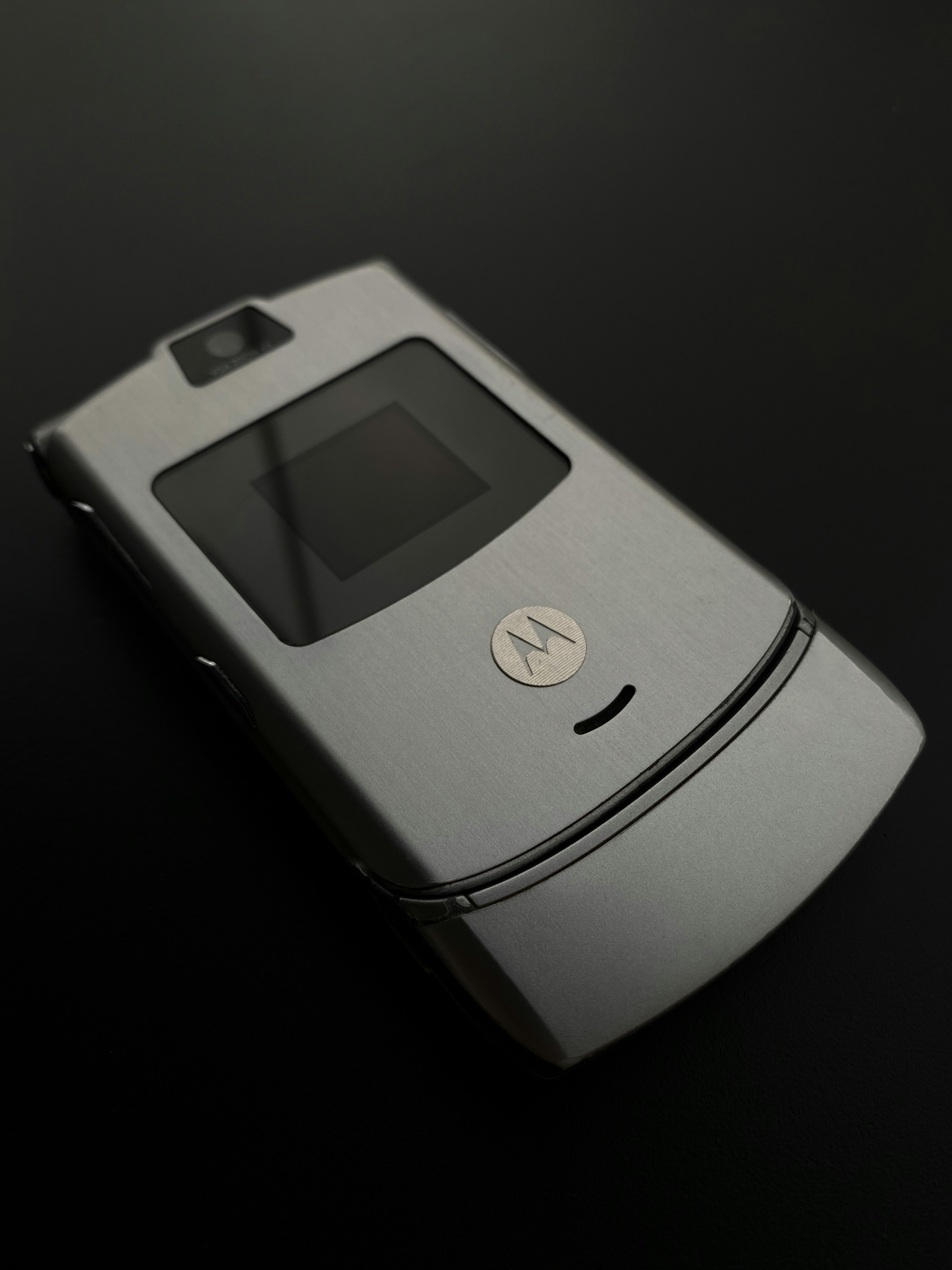
Motorola RAZR V3
MotorolaUltra-thin flip phone that became a cultural phenomenon and fashion statement, selling over 130 million units.
Key Specifications
- 13.9mm thickness
- VGA camera
- Aluminum body
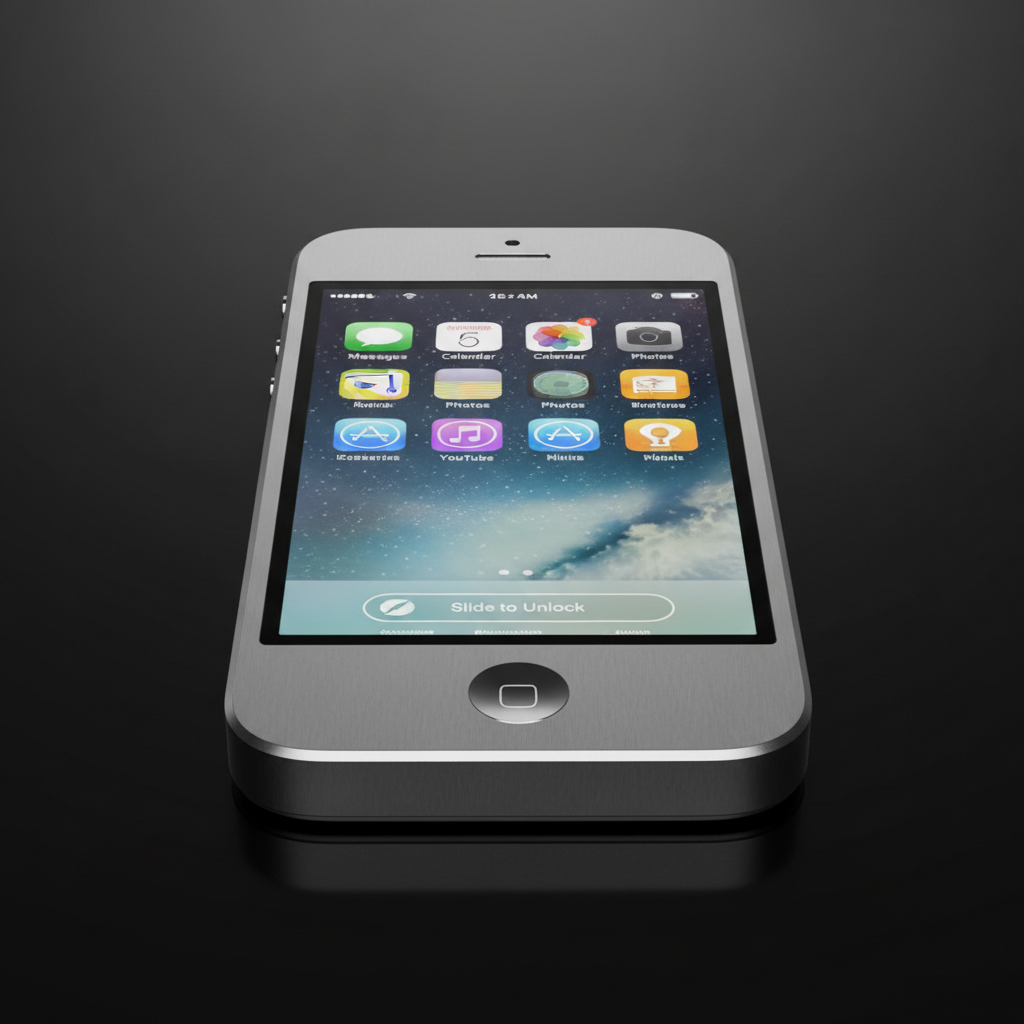
iPhone (1st Generation)
AppleRevolutionary touchscreen smartphone that redefined mobile computing and launched the app ecosystem.
Key Specifications
- 3.5-inch touchscreen
- iOS operating system
- Safari browser
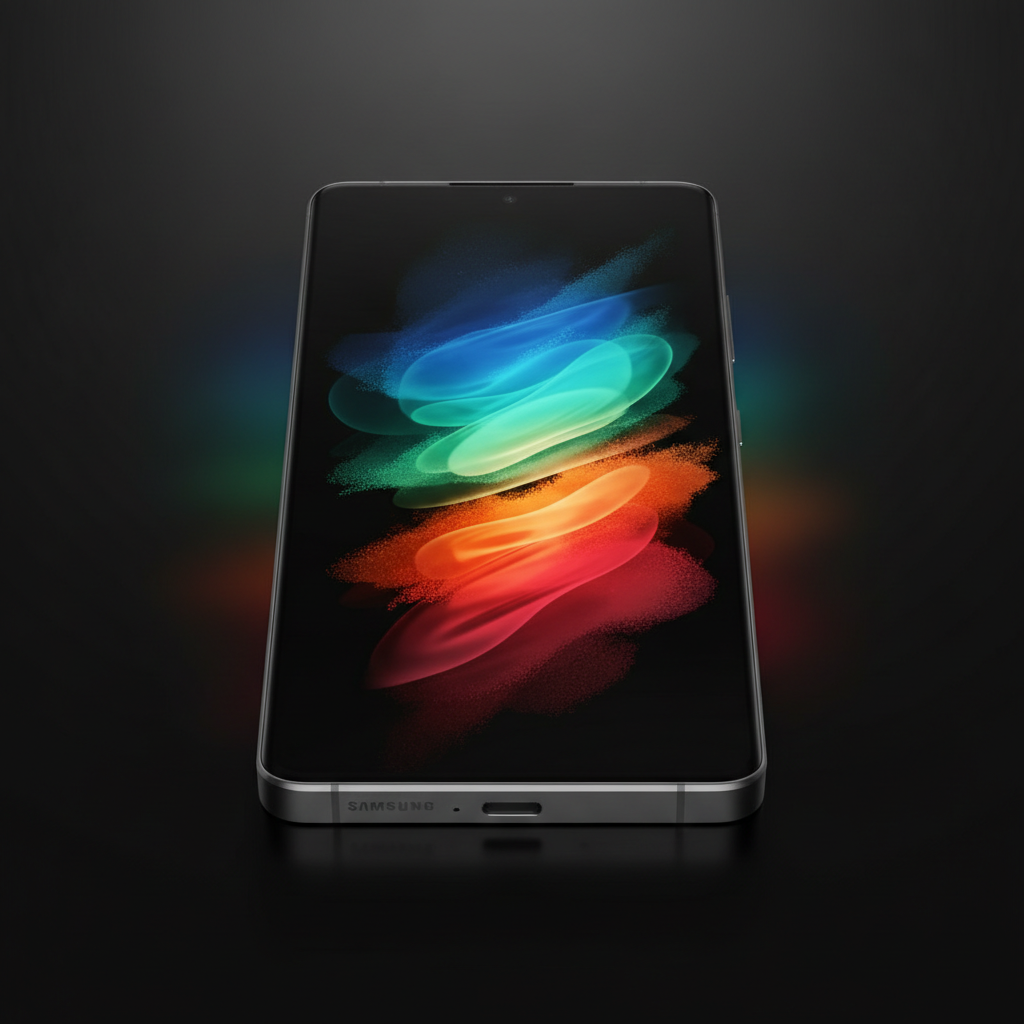
Samsung Galaxy S
SamsungFirst Galaxy S smartphone with Super AMOLED display, establishing Samsung as a premium smartphone maker.
Key Specifications
- 4-inch Super AMOLED
- Android 2.1
- 5MP camera
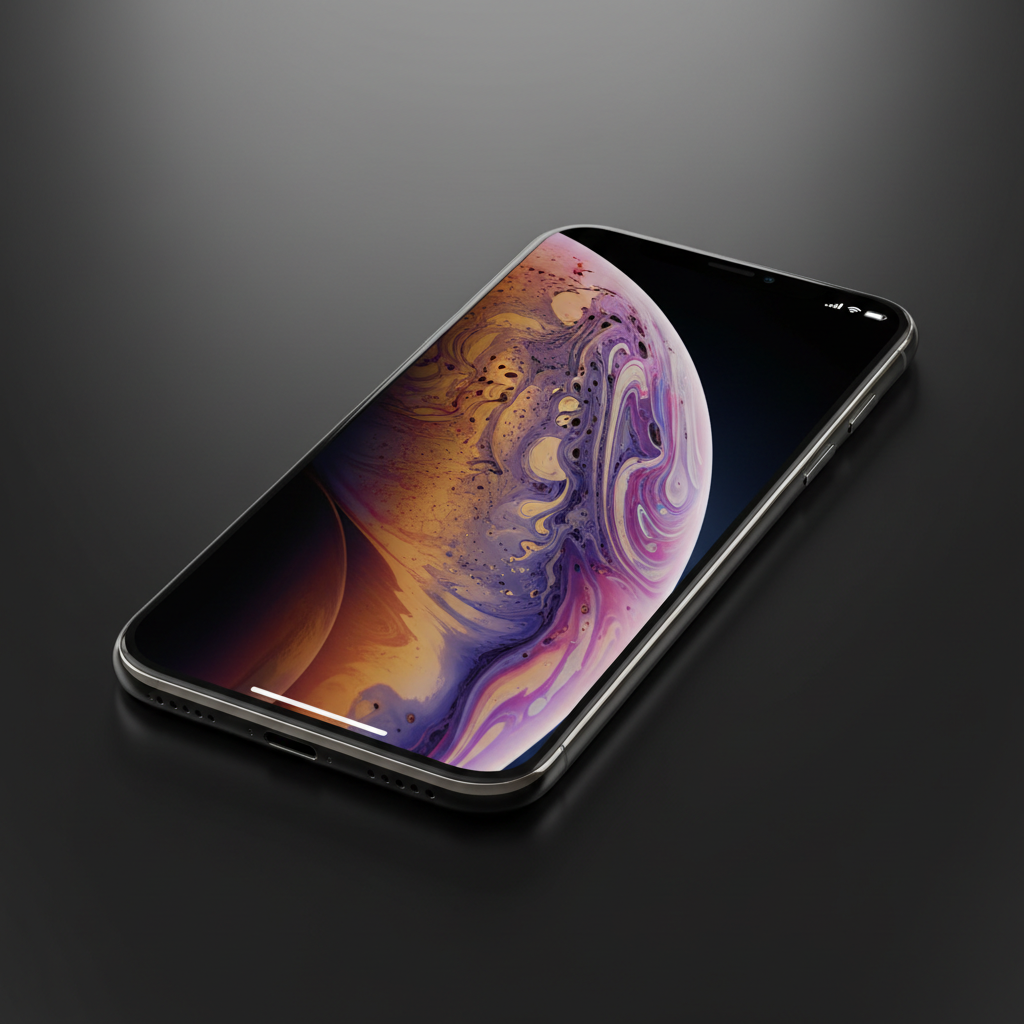
iPhone X
AppleIntroduced edge-to-edge OLED display and Face ID facial recognition, setting new smartphone design standards.
Key Specifications
- 5.8-inch OLED
- Face ID
- A11 Bionic chip
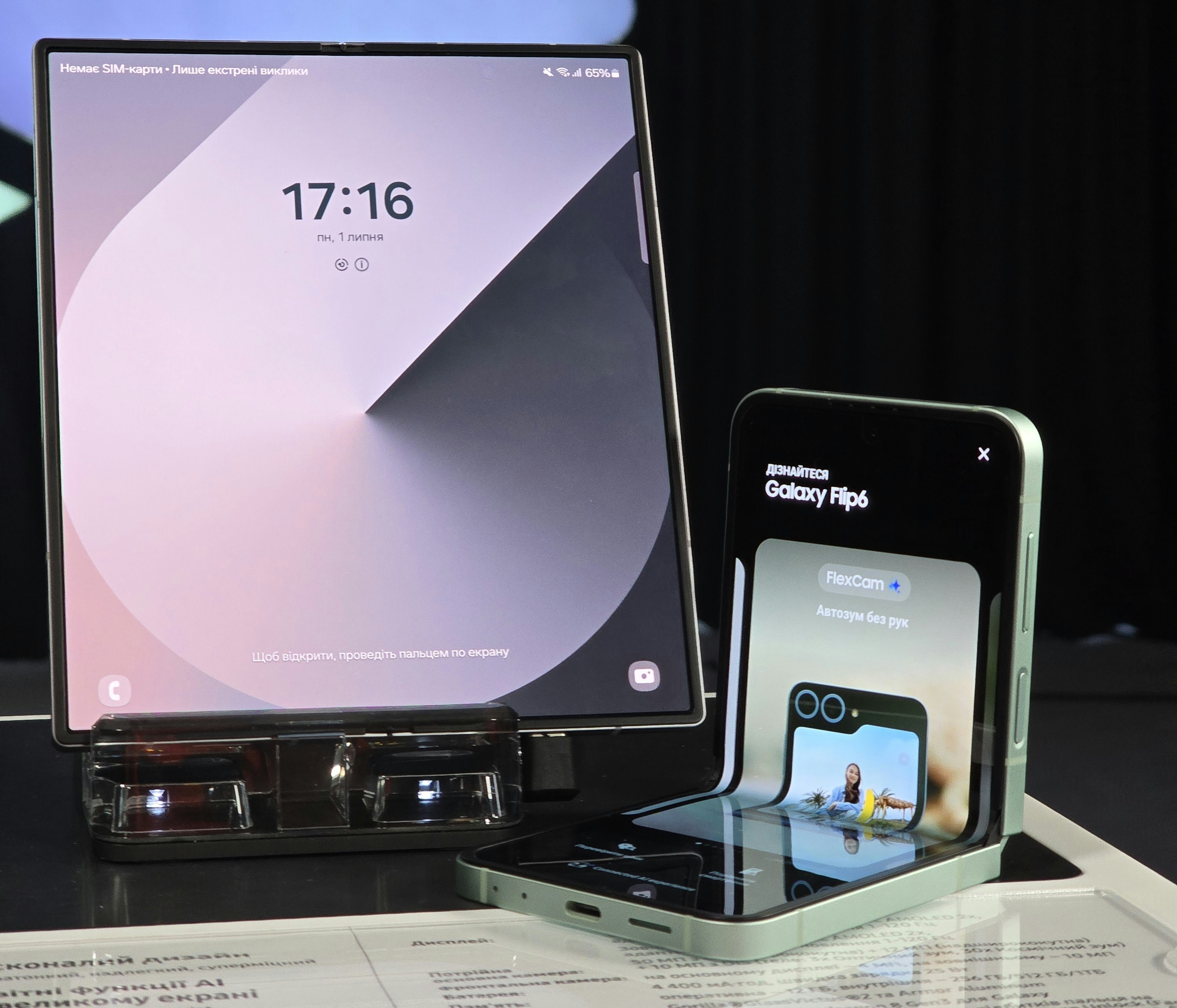
Samsung Galaxy Fold
SamsungFirst commercially successful foldable smartphone with 7.3-inch folding display, pioneering a new form factor.
Key Specifications
- 7.3-inch foldable AMOLED
- Triple camera system
- 512GB storage
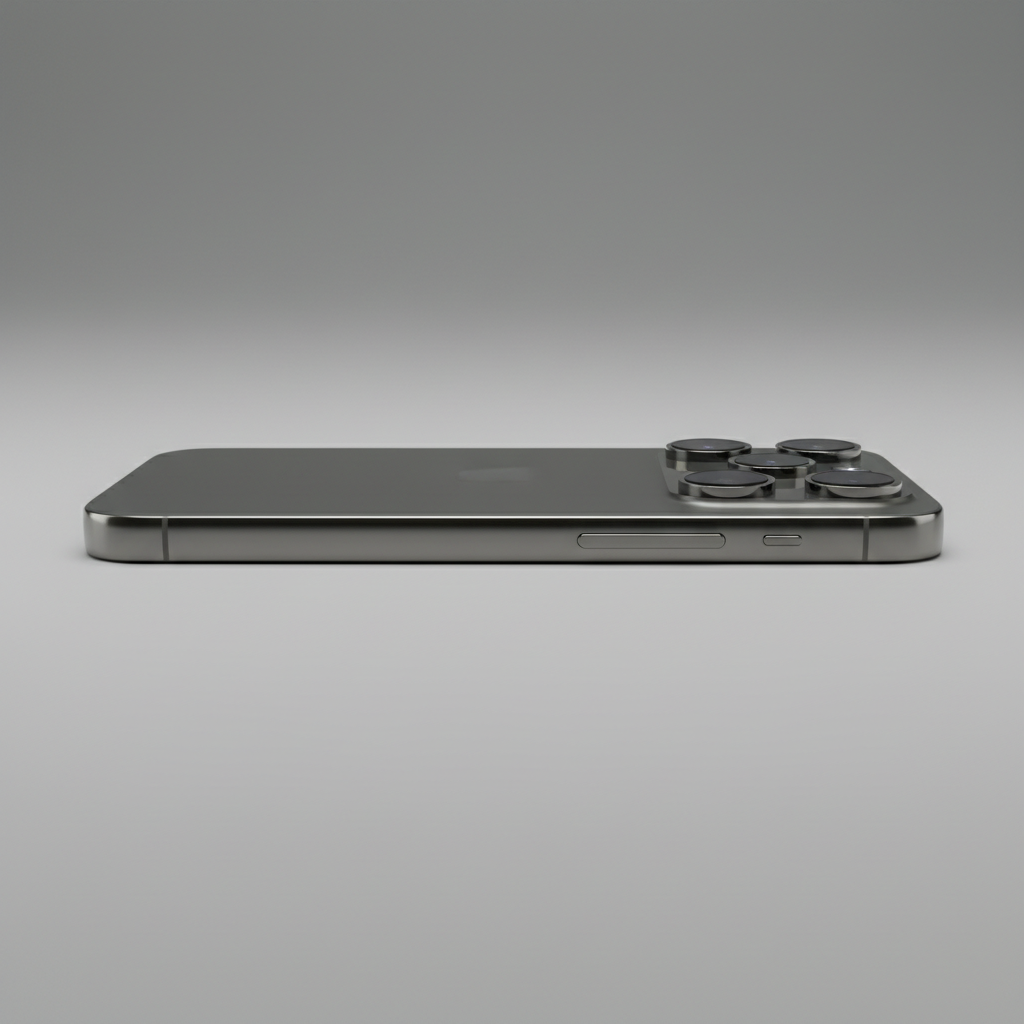
iPhone 15 Pro Max
AppleLatest flagship with titanium design, A17 Pro chip, and advanced computational photography powered by AI.
Key Specifications
- 6.7-inch ProMotion
- A17 Pro chip
- Titanium body
Evolution Timeline
First Call to First Sale
Motorola DynaTAC development and commercial launch
Digital Revolution
2G networks and SMS messaging become mainstream
Feature Phone Peak
Nokia dominance and mobile camera adoption
Smartphone Dawn
iPhone launch transforms the industry
App Economy Boom
Touchscreen devices and mobile apps reshape daily life
Foldable Future
New form factors and 5G connectivity
AI Integration
Computational photography and AI assistants