Personal Computers Evolution
From room-sized mainframes to portable devices more powerful than Apollo missions, discover the extraordinary journey of personal computing. Explore how brands from USA, Japan, Taiwan, and China competed to shape the digital revolution that transformed our world.
Filter by Era
PC Brand Racing Chart
Watch the dynamic rise and fall of personal computer brands from the 1970s through present day. This racing chart visualizes market dominance shifts and shows how brands from different countries competed in the PC revolution. Colors represent headquarters location: USA (light blue), Japan, Taiwan, and China manufacturers.
Country Color Guide: Light blue represents USA brands (IBM, Apple, Dell, HP), while other colors indicate brands from Japan (NEC, Toshiba), Taiwan (Acer, ASUS), and China (Lenovo). Use the play button to animate through decades of PC evolution, or drag the timeline to explore specific periods. This visualization highlights geopolitical influences on technology development and regional leadership patterns.
PC Brand Artifacts
10 brands found
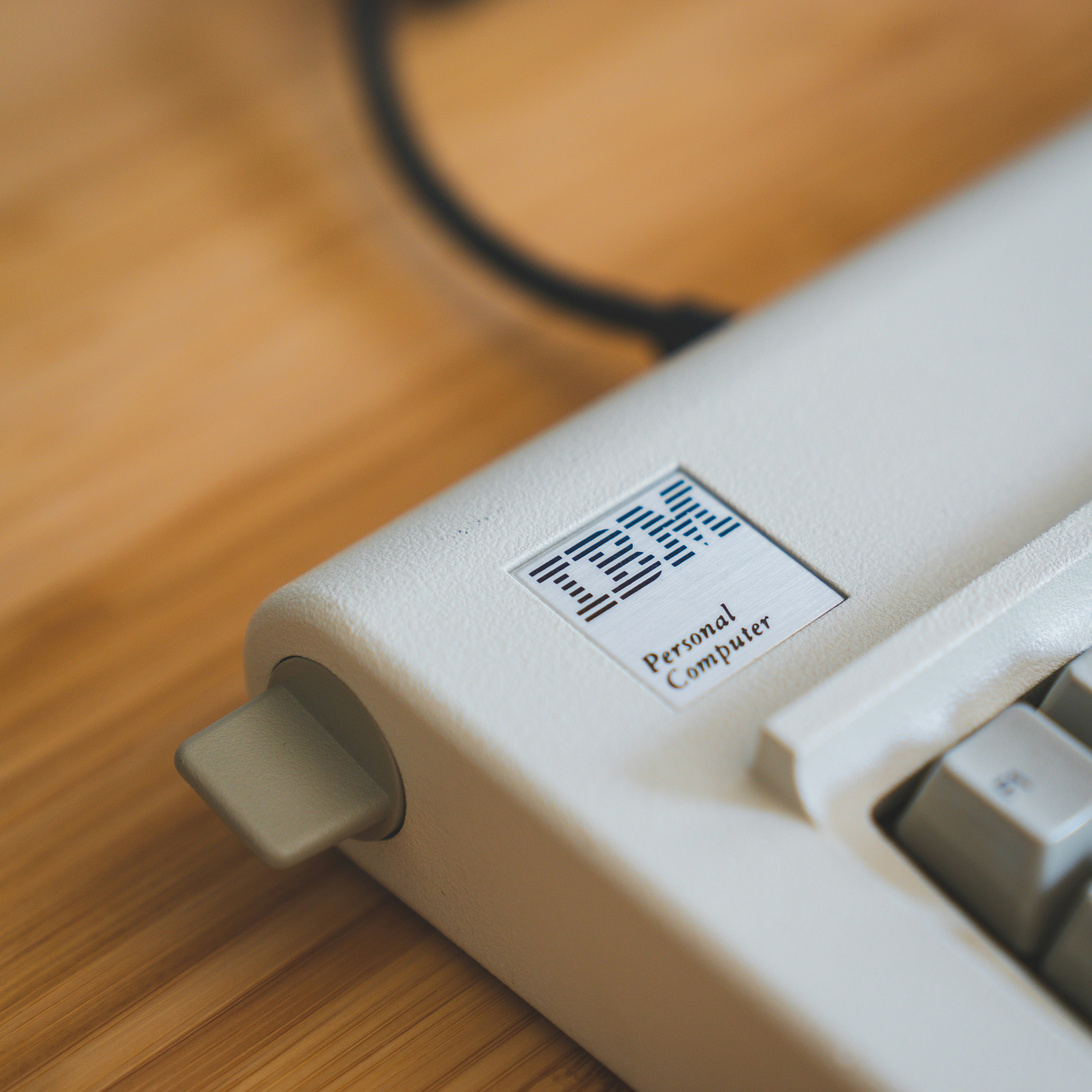
IBM Personal Computer
IBMThe computer that established the industry standard architecture and made "PC" a household term. Its open architecture revolutionized computing.
Key Specifications
- Intel 8088 processor
- 16KB RAM expandable to 256KB
- Cassette tape storage
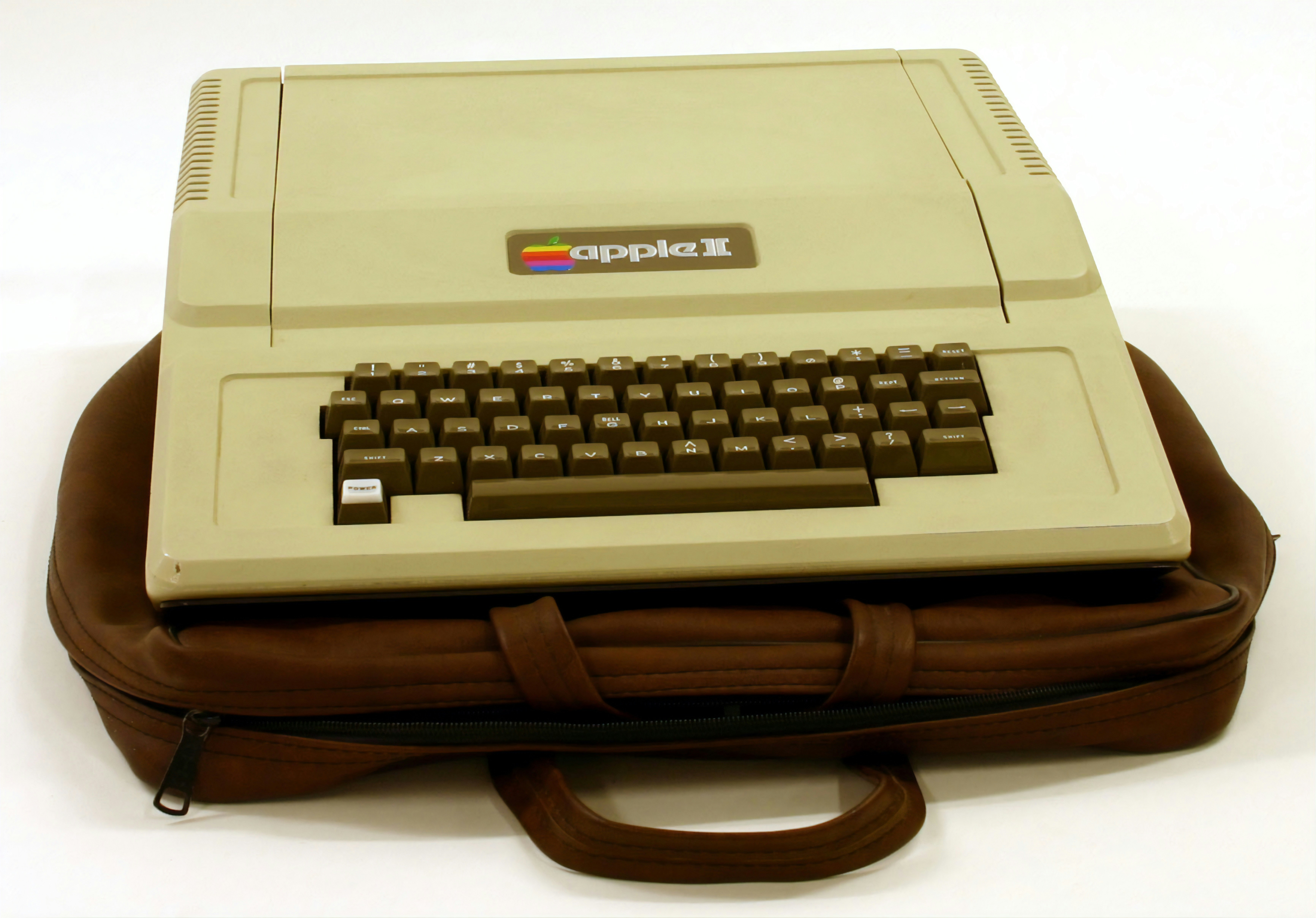
Apple II
AppleRevolutionary home computer that brought computing to households. Featured color graphics and expansion slots that made it incredibly versatile.
Key Specifications
- Color graphics
- 4KB RAM standard
- Eight expansion slots
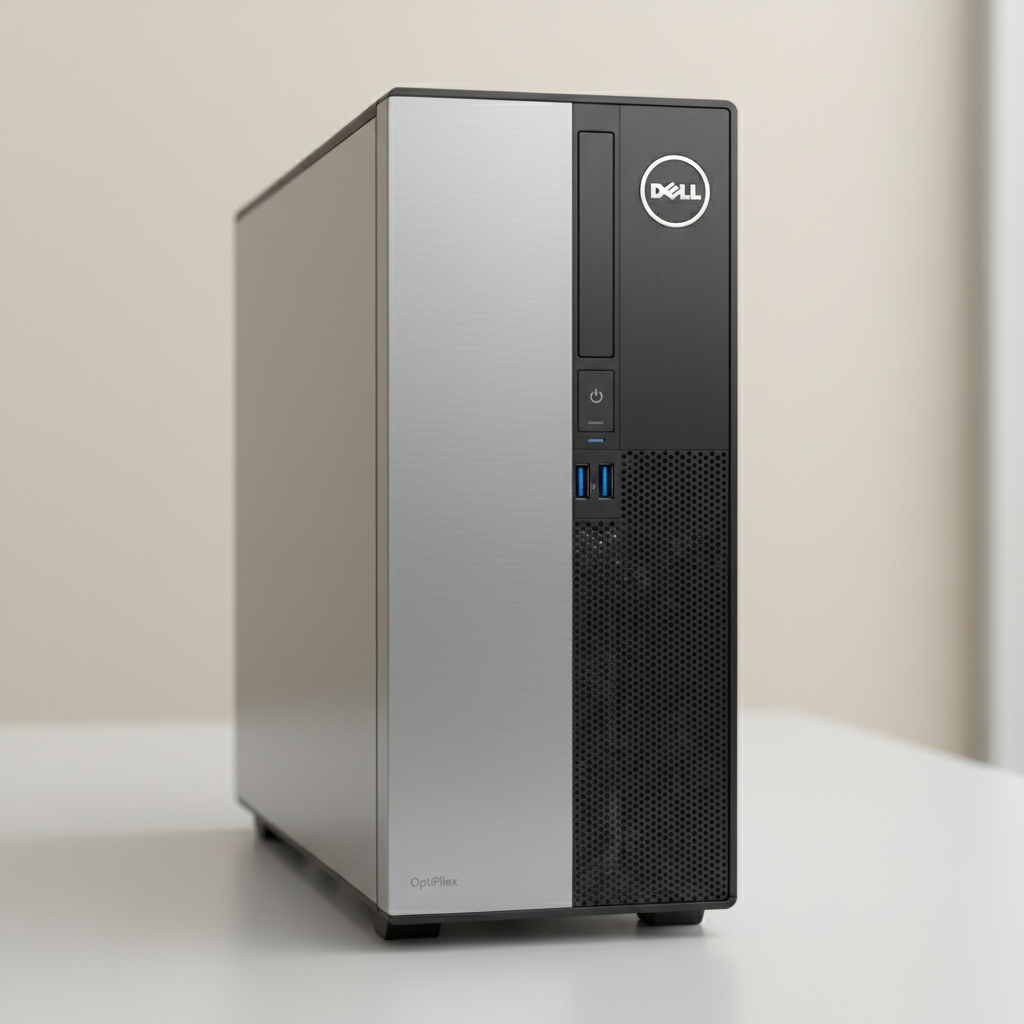
Dell Dimension
DellDirect-to-consumer model that revolutionized PC sales. Made customized computers accessible to everyone through phone and online ordering.
Key Specifications
- Intel Pentium processor
- Tower design
- Windows 95 ready
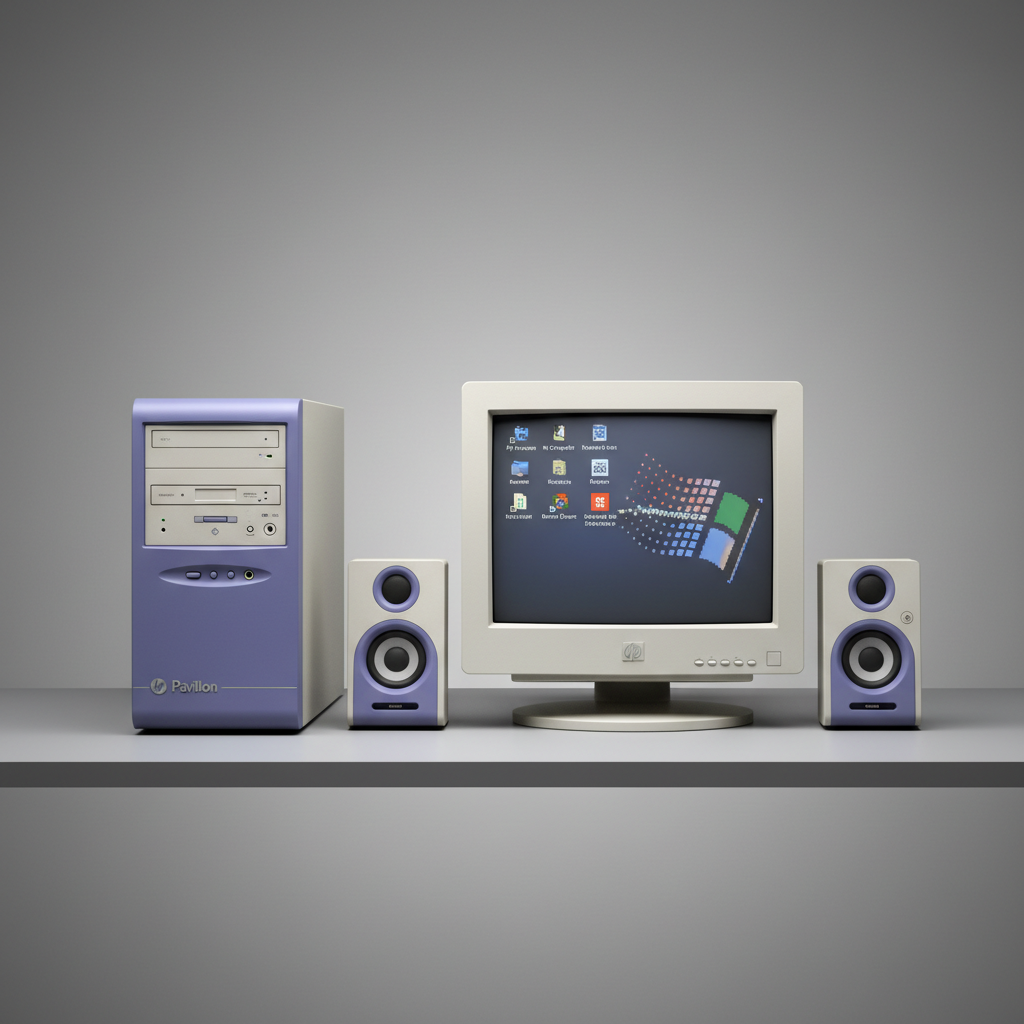
HP Pavilion
HPBrought multimedia computing to mainstream consumers with integrated CD-ROM drives and sound cards. Made PCs entertainment centers.
Key Specifications
- CD-ROM drive
- Sound Blaster audio
- Windows 95
Compaq Deskpro
CompaqFirst IBM-compatible computer that legally replicated IBM PC functionality. Pioneered the clone market and business computing.
Key Specifications
- 100% IBM compatible
- Business-focused design
- Expansion capability
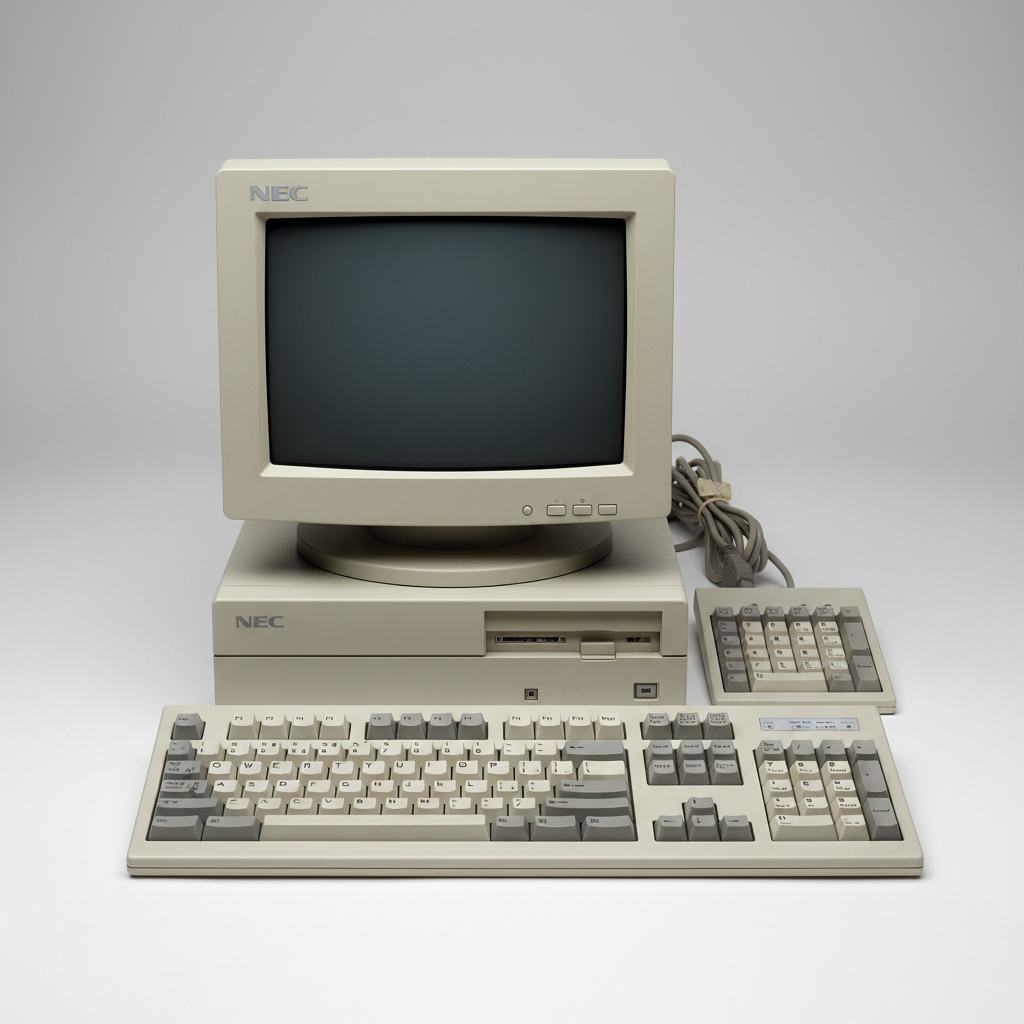
NEC PC-9800
NECDominated the Japanese PC market for over a decade. Featured advanced graphics and text handling for Japanese language computing.
Key Specifications
- 16-bit processor
- Japanese text support
- Advanced graphics
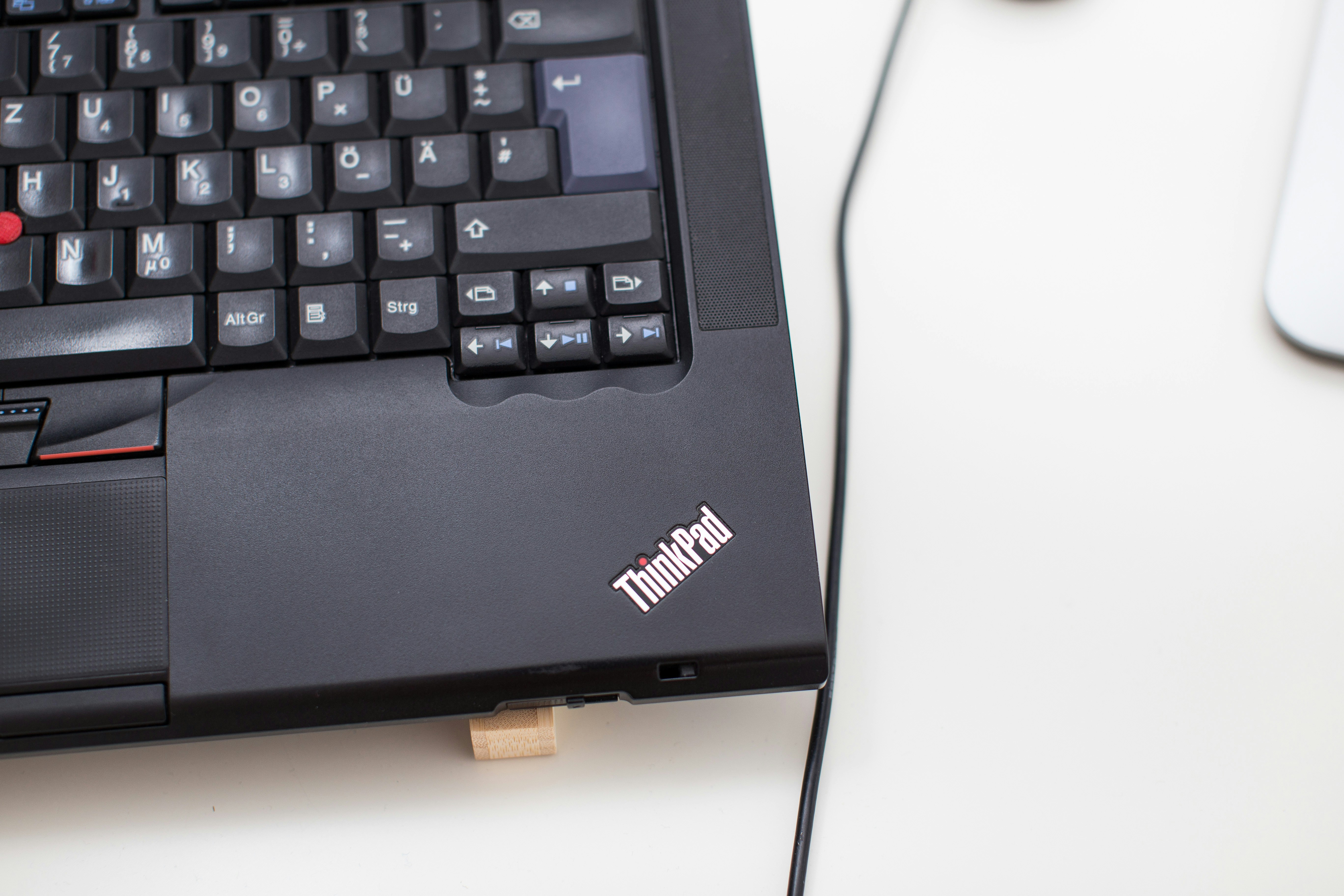
Lenovo ThinkPad
LenovoAfter acquiring IBM PC division, Lenovo transformed ThinkPad into the global business laptop leader with legendary build quality.
Key Specifications
- TrackPoint navigation
- Military-grade durability
- Enterprise security
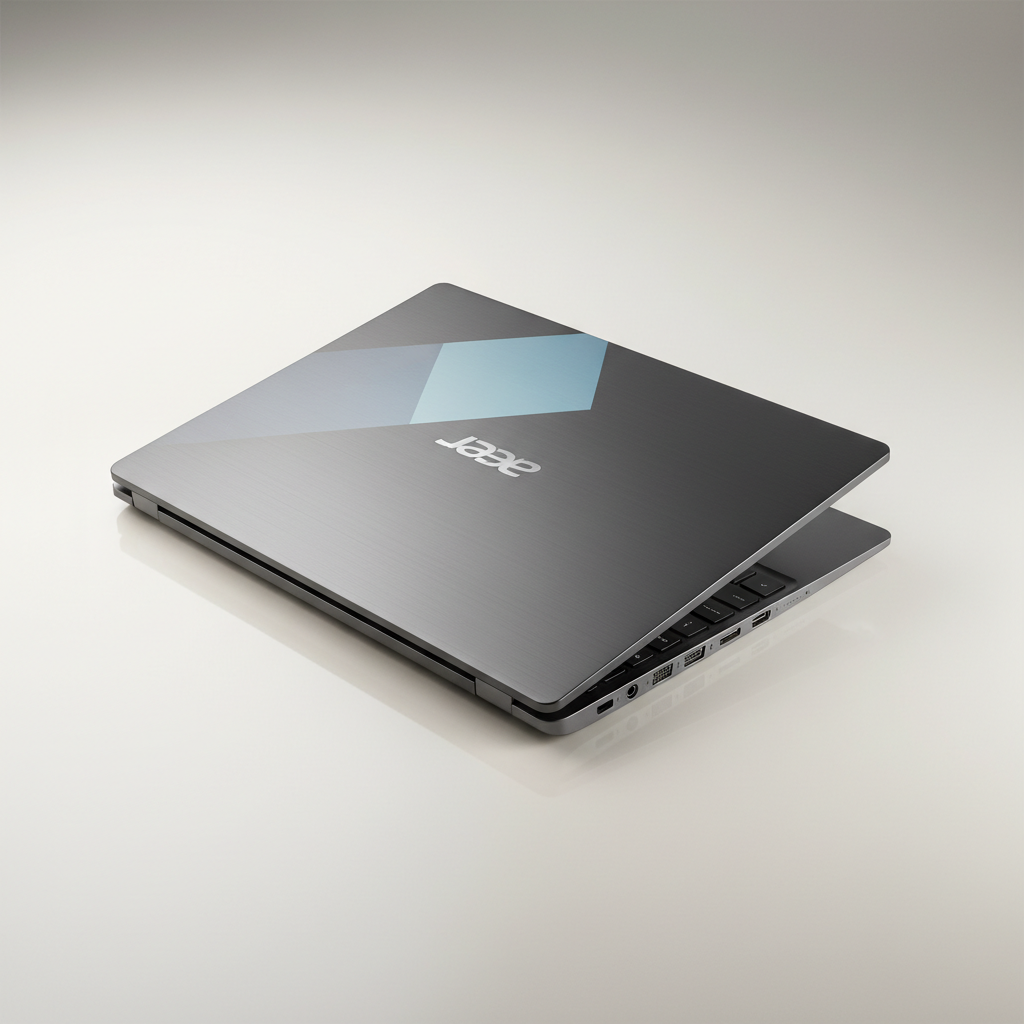
Acer Aspire
AcerMade quality computing affordable globally. Pioneered the value segment without compromising essential features.
Key Specifications
- Affordable pricing
- Global availability
- Consumer-friendly
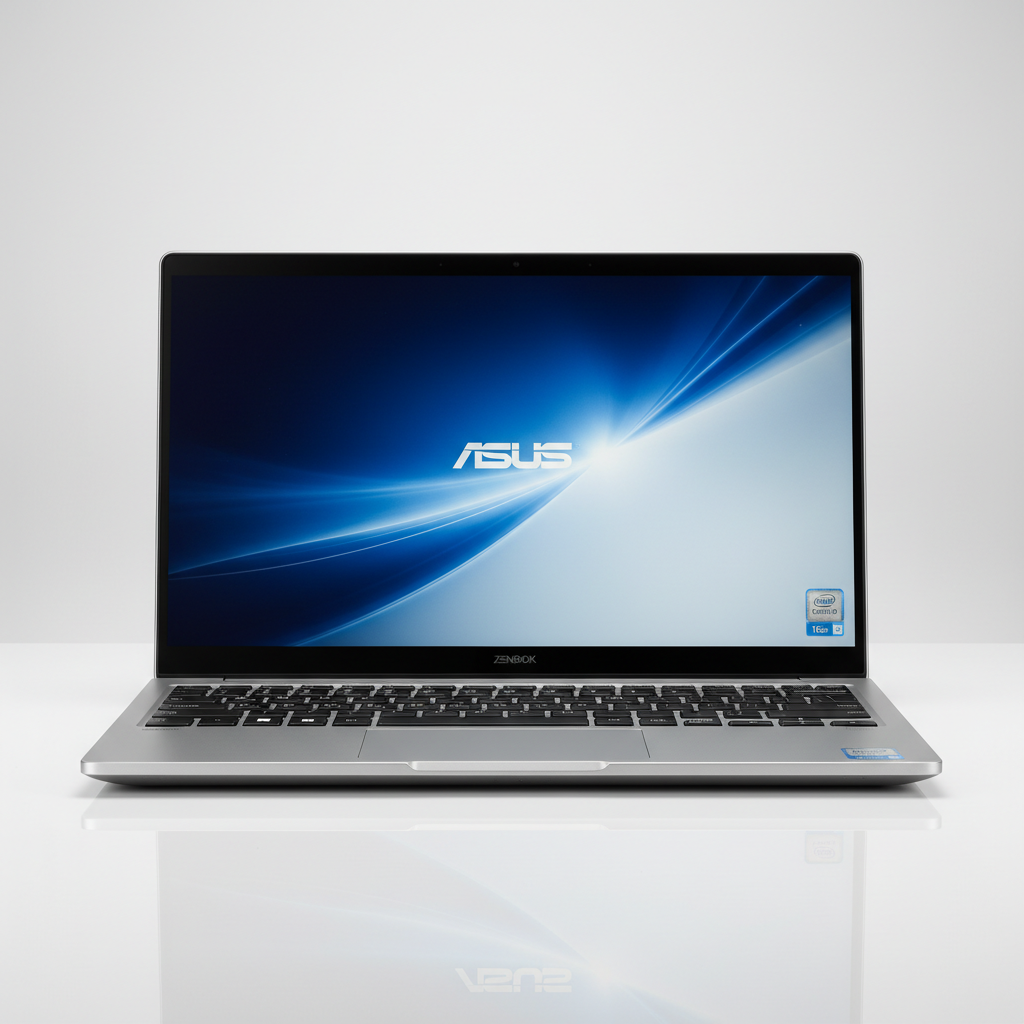
ASUS ZenBook
ASUSPremium ultrabook that challenged MacBook with aluminum unibody design and powerful components in ultra-thin form.
Key Specifications
- Aluminum unibody
- Ultra-thin design
- Full HD display
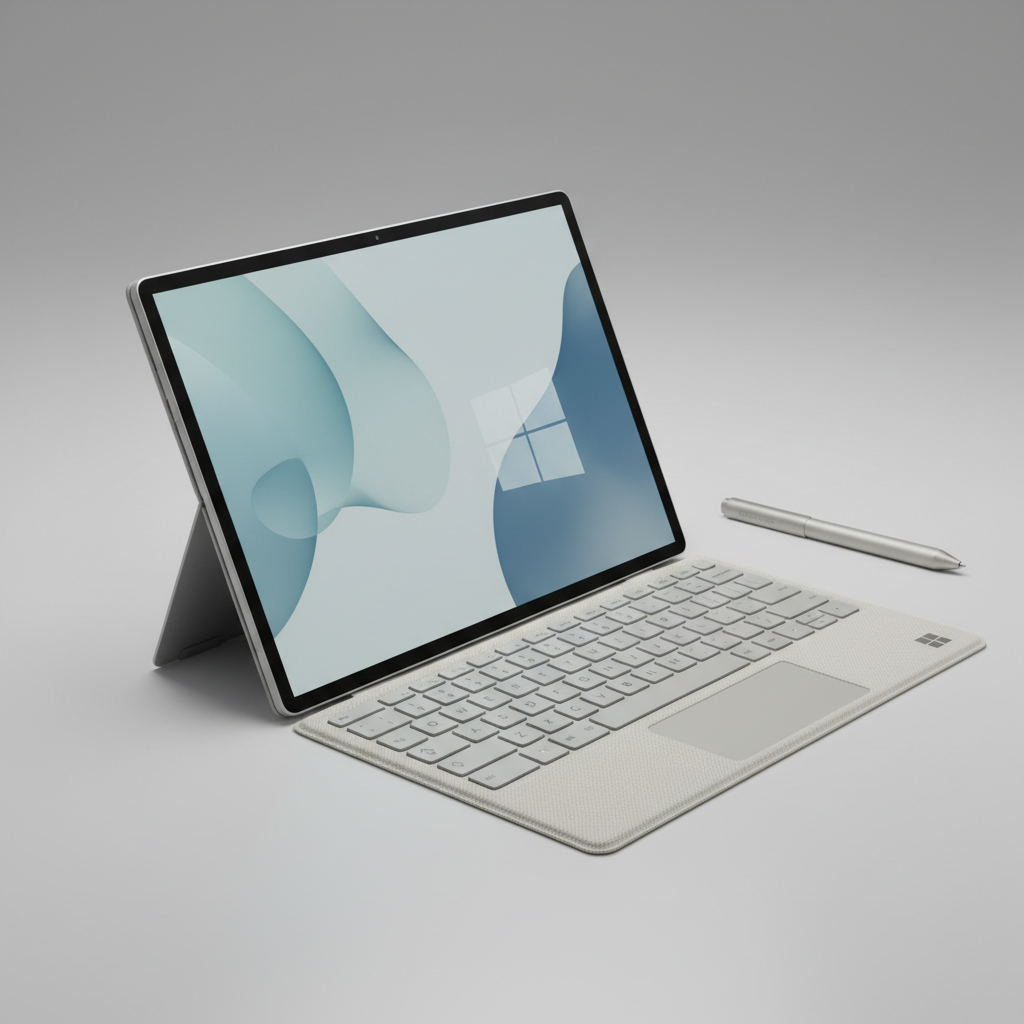
Microsoft Surface
MicrosoftRevolutionary 2-in-1 design that merged tablet portability with laptop productivity. Defined the modern hybrid computing category.
Key Specifications
- Detachable keyboard
- Surface Pen support
- Windows 10
Evolution Timeline
Personal Computing Dawn
Apple II and IBM PC establish the foundation for personal computing
Clone Wars Begin
Compaq and others create IBM-compatible systems, expanding the market
Desktop Revolution
GUI interfaces and Windows bring computing to mainstream users
Multimedia Era
CD-ROMs and sound cards transform PCs into entertainment centers
Internet Age
Web browsing becomes primary PC use case, Ethernet and WiFi emerge
Laptop Dominance
Portable computing overtakes desktops in consumer sales
Ultrabook & Hybrid Era
Ultra-thin designs and 2-in-1 form factors redefine mobility